The importance of staying connected – how to reach out and support service personnel and their families
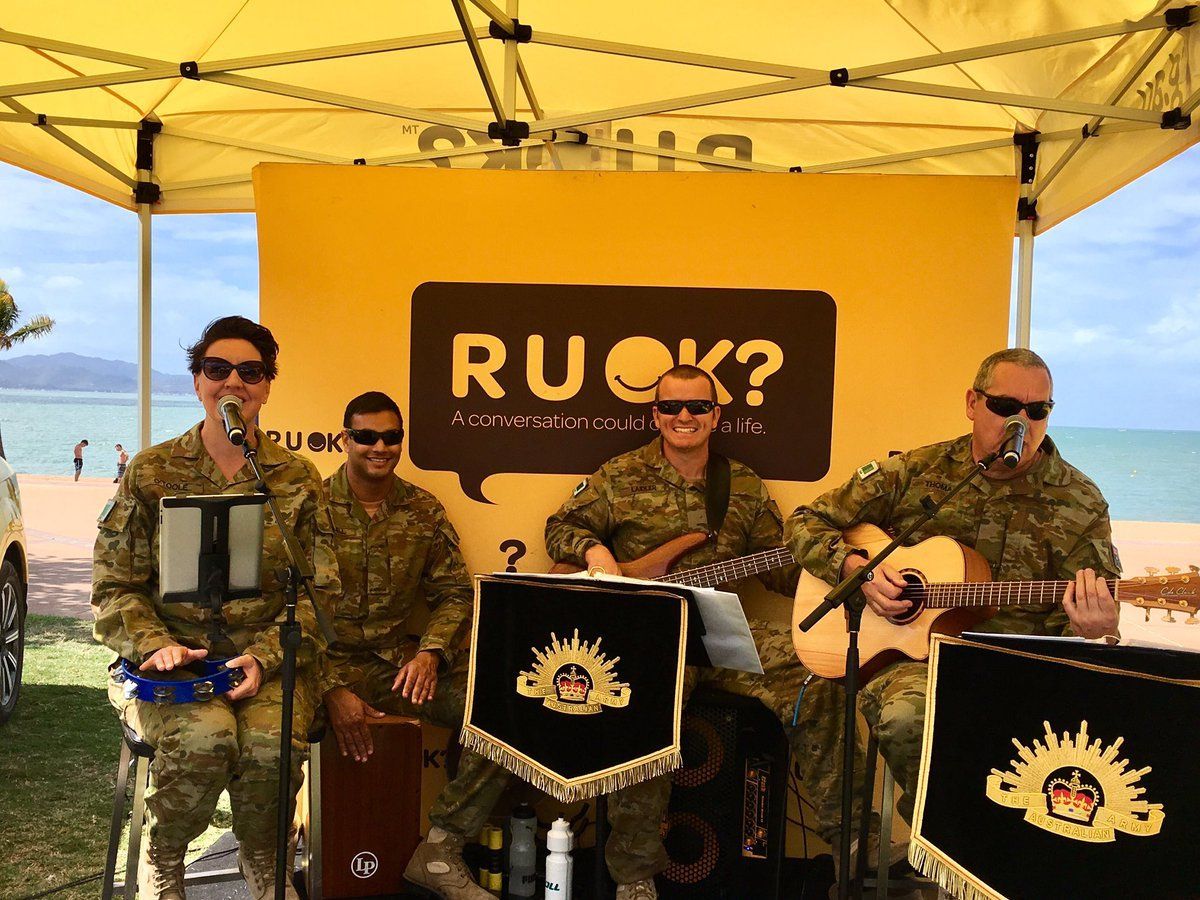
On Sunday we remembered the servicemen and women who returned home, the families who lost loved ones in whole or in part and those who continue to serve.
It's important that we make a commitment to not just remember but to act and offer our love, care and support any day it’s needed. To help you do this, we’ve compiled some tips.
What are some the signs that a current serviceman or woman might need some extra support?
Returned and current servicemen and women are all exposed to vastly different experiences whilst serving, as a result the signs, symptoms and way they all deal with problems that affect them can vary immensely.
If you’re worried about an ex serviceperson close to you, here are some common signs to look out for that they may display when they’re going through a hard time:
-
Becoming emotionally detached, or “numb”, to avoid feeling overwhelmed;
-
Withdrawing into work or other activities or spending increased time alone;
-
Trying to control as many aspects of their life as possible and becoming frustrated or angry if this is not achievable;
-
Trying to control the day-to-day activities or behaviours of family members, or becoming overly concerned for family members’ safety because of their own previous exposure to danger;
-
Being aggressive or having angry outbursts over small issues;
-
Self-medicating with alcohol or other drugs; and
-
Thoughts of suicide or self-harm
What can I do if I see these signs?
If you notice any of these signs it’s important to trust your gut instinct and reach out. If you aren’t totally comfortable yet, that’s fine. Here are some tips that may help prepare you for the conversation.
Often after service it can be quite easy for someone to put on a tough façade and appear to be completely fine on the surface. If you haven’t witnessed the above signs but want to reach out and let them know that you’re there to listen, you may like to ask some questions and get them to open up about their experiences.
You can start the conversation gently by asking questions like, ‘what sort of food did you have?’ and ‘what were your mates like who you deployed with?’. This can help create a conversation that allows them to open up about what they found really tough and difficult about the experience.
If someone’s concerned about burdening you with their experience, you could say, ‘I appreciate you may have seen some terrible stuff and you might not want to burden me but if the situations reversed and I was having a hard time, would you want me to tell you? That can act as a trigger to help them realise they should open up and talk to a person they trust in their support network.
What are some next steps I can encourage them to take to help them manage what they’re going through?
For some ADF members, transitioning to civilian life can be difficult. This is due to the nature and culture of the military, providing strong beliefs, structures and a sense of identity that is unable to matched in civilian life. If you’re worried about someone transitioning it’s important to reach out and let them know you’re there to help.
This could be in the form of developing a plan with them to secure work, manage finances and helping with other transition issues as early as possible to stop them from developing into bigger problems.
Encourage them to partake in activities and meet new people outside of the ADF (e.g. through joining civilian clubs or interest groups).
Open Arms offers individual, couple and family counselling and group programs to help current and former serving ADF personnel and their families understand and address concerns related to the transition from military to civilian life.
The Stepping Out program offered by Open Arms is a two-day program available to all transitioning ADF members and their partners which aims to improve the transition to civilian life. This program can be attended up to three months prior to or 12 months after separation from the military.
If you’ve reached out and had the conversation, it’s important to know that there are some amazing support services available for you to recommend for further help.
Open Arms provides free and confidential counselling to anyone who has served at least one day in the ADF, and the veteran community. The counselling and support services are also available to: current serving personnel, personnel transitioning to civilian life, ex-serving members and peacekeepers, families and children of those who have served, partners of those who have served, and ex-partners.
To check your eligibility for Open Arms counselling and learn more about how we can help you or your family, call Open Arms on 1800 011 046.
For access to mental health videos, self-help tools, mobile apps, and advice on how to seek professional help, visit DVA’s At Ease website.
AT EASE provides families and friends with strategies and advice to help support those you care about through difficult situations.
RSL DefenceCare is a charity and not-for-profit organisation helping Australian veterans and their families in times of injury, illness or crisis. Their services are free and include assistance with Department of Veterans’ Affairs claims, advocacy at the Veterans’ Review Board, counselling, support during a crisis or the death of a loved one, and financial assistance.