Meet the man running the Tan for mental health
Darren is the man behind
Run The Tan, a new initiative raising funds and awareness for mental health.
Can you tell us about what inspired you to create Run The Tan?
Running has always been a passion of mine. I personally use running and exercise as one of my main coping mechanisms - together with meditation it helps me navigate difficult times in my life.
I also believe that exercise is fundamental to our physical and mental health. 1 in 5 people will suffer from a mental health issue this year, and research shows that running for just 15 minutes a day can reduce the risk of major depression by 26%.
I wanted to give something back to the sport I love so much and to the community in general, by raising awareness and funds to support Australians experiencing mental health challenges.
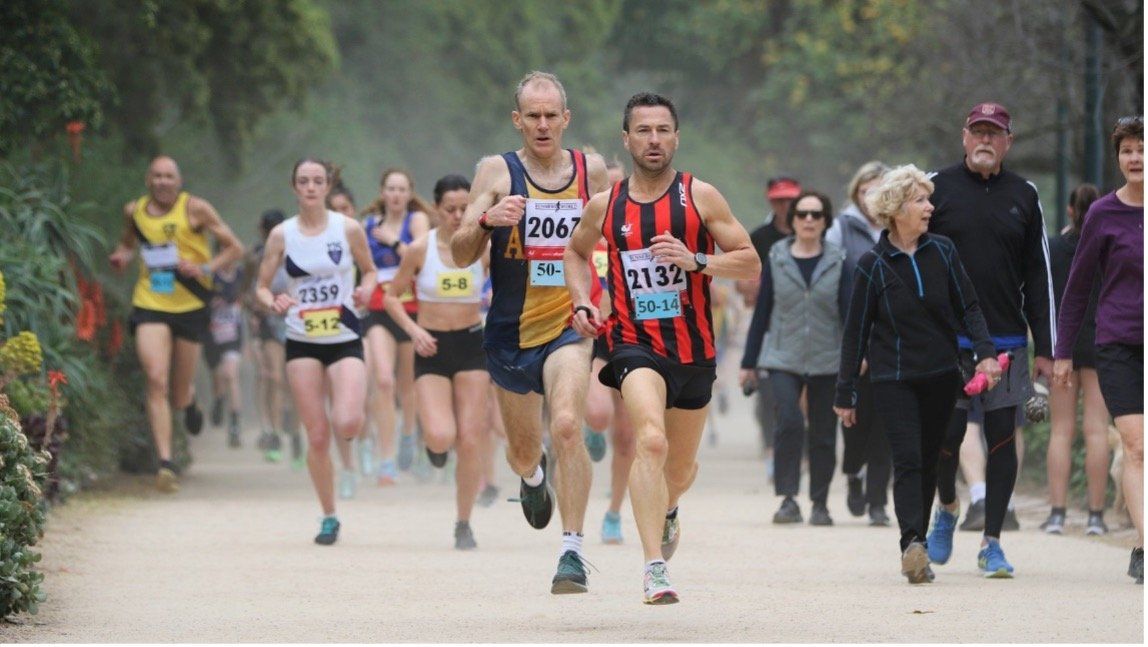
Since moving from the country to Melbourne many years back, I have always loved The Tan Track around the Botanic Gardens and everything it stands for. It’s one of the most iconic running tracks in Australia. People from all walks of life and abilities jog, race, walk and train on the track every day.
My vision was to create a new and fresh running event around The Tan to promote the track, celebrate the amazing times that our elite athletes have done around the tan, grow interest in running as a sport and highlight the benefits exercise has on our mental health.
This year marks the inaugural Run The Tan 2021. I am very excited to have R U OK? on board.
Q. What impact do you hope your efforts will have?
A. I am hoping to raise awareness of the importance that exercise has on people’s mental health and wellbeing and motivate people to be more active on a regular basis.
We are aiming to raise $100,000 as part of our Run for Mental Health campaign. The money raised will help our local charity partner organisations to provide ongoing research as well as practical services and prevention measures for mental health.
Q. Why did you include R U OK? in the charities supported by Run The Tan?
A. I really like what R U OK? stands for and the great work they do in helping educate the community across all areas (work, personal and school) about the importance of checking in on people to ask them, “are you OK?”
I have implemented several R U OK? campaigns as part of Health & Wellbeing initiatives in my workplace over the years. I have also used their four conversation steps – Ask R U OK?, Listen, Encourage Action and Check in - when talking with family and friends. It’s a very powerful and effective technique and I highly recommend it to everyone.
Q. Why do you believe asking R U OK? can make a difference?
A. “Are you OK?” is a simple but very powerful question. It can be the difference between someone sharing and talking about what’s going on in their life and how they’re feeling, or continuing to suppress these thoughts and feelings, feeling alone and suffering in silence. Most people just need to know that there is someone out there who cares about them and is willing to listen.
As we travel through life we experience bumps in the road, and some bumps are bigger than others. I have had several close family members and friends who have experienced big bumps and some are still riding those bumps. Their challenges have ranged from lack of morale / confidence, weight gain, job loss, PTSD from being in the Australian Defence Force, through to death of a partner / sibling / child.
I have asked R U OK? many times as part of checking in on those around me and find it a very effective way to get an indication (or what I call an emotional temperature check) if they’re okay and then use listening and action plan techniques to provide ongoing support if required.
Q. Do you have any training/motivational tips for anyone running to raise money and awareness for mental health?
A. The first step is to set a goal. Then make a personal commitment to yourself to register for the event, and create a fundraising page for your preferred charity.
I would recommend following a structured running program based on your running experience, fitness level and the distance and type of event.
Q. Run The Tan comes after an extended period where Melbourne has been in and out of lockdown, how have you managed to stay connected?
A. Last year was tough for everyone. Throughout the lockdowns I’ve stayed connected mainly through the use of technology, whether that was for work or personal reasons. Using video conferencing, messaging and the old fashioned telephone call.
It has allowed me to spend more time with the kids and my new partner because we’ve been restricted on what we could do outside the house. I’ve been lucky because running is my main form of exercise and we’ve still been allowed to run outside. I’ve enjoyed reconnecting with my running buddies in person for some regular training sessions which I really missed throughout lockdown.
I also hadn’t seen my parents, who live in Swan Hill in Country Victoria, all year so it was great to be able to get up there to see them and the rest of my family over Christmas. I think the older generation and especially grandparents found it extremely hard through lockdown, not being able to see or spend time with their grandkids and own kids.
Q. Do you have any tips for staying connected both in and out of lockdowns?
A. My tips would be;
1. Be grateful for what you’ve got and remind yourself of this. Let others know why you are grateful for them
2. Use technology to keep in touch/ connected with people, especially if you can’t catch up in person; and
3. Do some regular exercise, eat well and try to maintain a good sleep pattern
Q. Is there anything else you would like to share with us?
I just want to say thank you to R U OK? for supporting Run The Tan and for believing in me and the cause.
This is a personal passion project for me, and I have invested a lot of my own time, effort and money in the event because I believe so strongly in the impact this event can make in Melbourne and Australia. Especially after the year we had last year due to Covid-19 and the impact that this has had, and is continuing to have on our lives and mental health.
Keep running and stay safe!
Thank you so much Darren, everyone at R U OK? wishes you and everyone involved all the very best.
Run the Tan takes place on Saturday 24th April, click this link if you’d like to take on the challenge for R U OK?