How First Nations man Joe Williams tackles tough times
hello • 24 November 2020
How I speak about it in communities is, it’s not our mental health, it’s our spiritual health, so we’ve got to look at things to heal our spirit. Again, doing the tiny things, taking our shoes off and connecting to the earth, living by the values embedded in the old stories — love, humility, care — all of those things."
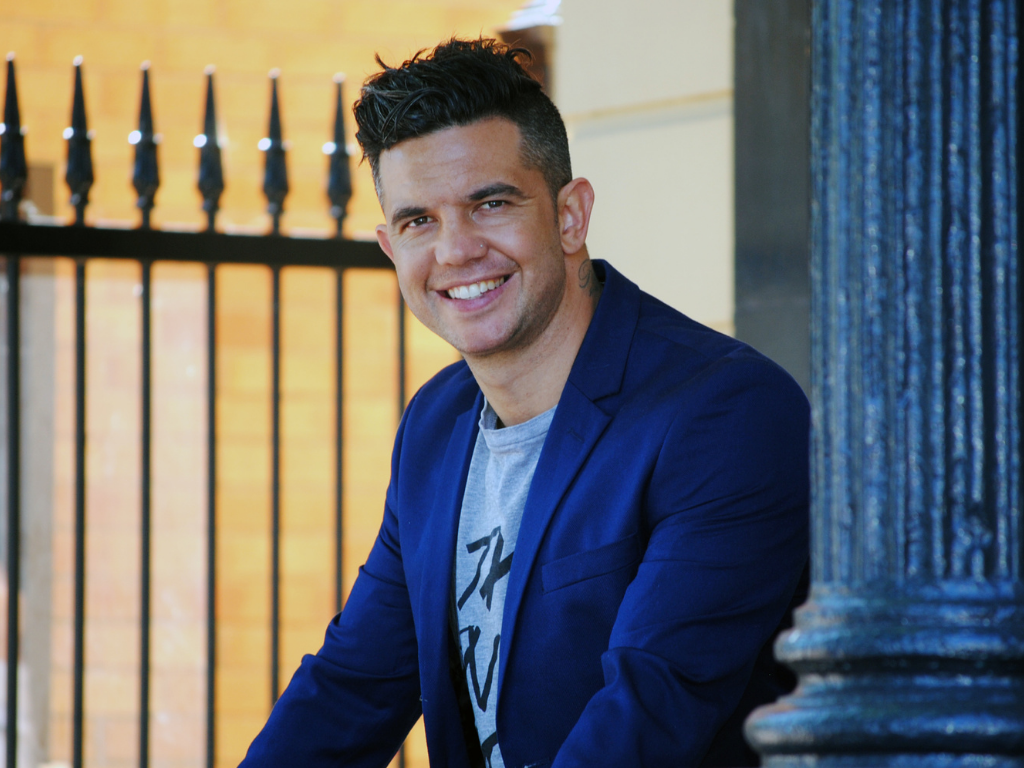
Focusing on what matters and reflecting on the ‘small victories’ could be the key to lessening the impact of COVID-19 on our mental health, according to former NRL player and mental health advocate, Joe Williams.
Joe has managed his mental wellbeing during the current global pandemic by focusing on some of the positive aspects to emerge from the significant and sudden changes to everyone’s life. He uses the extra time at home to connect more closely with family.
“It was my sign to slow down,” says Joe. “I don't want to say it’s been a positive, but the whole experience has taught me the importance of family. Living more closely with each other and spending more time at home means thinking more about our own words, actions and behaviours.”
Joe is a Wiradjuri and Wolgalu man who, following his retirement from the NRL in 2008, has become a prominent spokesperson and community leader, particularly on issues relating to mental health and suicide in First Nations communities. He works across the country conducting customised workshops focusing on emotional wellbeing and healing trauma. In 2018, Joe published his book, “Defying the Enemy Within,” which chronicles his battle with Bipolar disorder, substance abuse, and the moment in 2012 when he tried to take his own life.
His advice for other people when it comes to looking after mental wellbeing during these challenging times is to “just try to do the little things.”
“The tiniest of actions can have the biggest of impacts. That could be moderate exercise, body weight exercises at home, going for a walk and getting your heart rate up, just getting yourself moving. Also, pay attention to the food you eat, and the things you choose not to do, like drinking alcohol or eating unhealthily.”
“Sometimes we start sitting in our heads too much, thinking too much about the future and the past rather than being present and focusing on the things we can control - that’s really vital to staying well,” says Joe.
Another topic that gets mentioned a lot when talking about First Nations peoples’ mental wellbeing is connection to culture. Joe believes culture and the spirit of community and survival within First Nations communities are significant factors when it comes to how communities are coping with the pandemic.
“We’re a deeply communal people. How I speak about it in communities is, it’s not our mental health, it’s our spiritual health, so we’ve got to look at things to heal our spirit. Again, doing the tiny things, taking our shoes off and connecting to the earth, living by the values embedded in the old stories — love, humility, care — all of those things,” says Joe.
“There was horrific trauma around the bush fires, then COVID-19 followed soon after. We went from one crisis into another, so it’s been super important that we just continually notice people’s behaviours rather than just talking about it or waiting for them to reach out. We’ve got to make sure ‘R U OK? Day’ is all year round,” says Joe.
It’s ok to reach out for help. If you need support for your social and emotional wellbeing, call the Coronavirus mental wellbeing support line on 1800 512 348 to speak with someone who can help.
Your mental wellbeing is important. If you’re feeling anxious or stressed, you’re not alone. There are services that can support you through these difficult times.
Joe Williams appears in the R U OK? Stronger Together campaign. The Stronger Together resource kit contains videos, posters, a conversation guide and more to remind everyone in every community to ask someone in their mob who might be struggling, "Are you OK?". Learn more at www.ruok.org.au/strongertogether
Who to contact for immediate help:
- Coronavirus wellbeing support / Beyond Blue 1800 51 23 48
- Lifeline Australia 13 11 14
- Domestic Violence Line 1800 65 64 63
- 1800RESPECT 1800 73 77 32
If you are in an emergency, or at immediate risk of harm to yourself or others, please contact emergency services on Triple Zero (000).
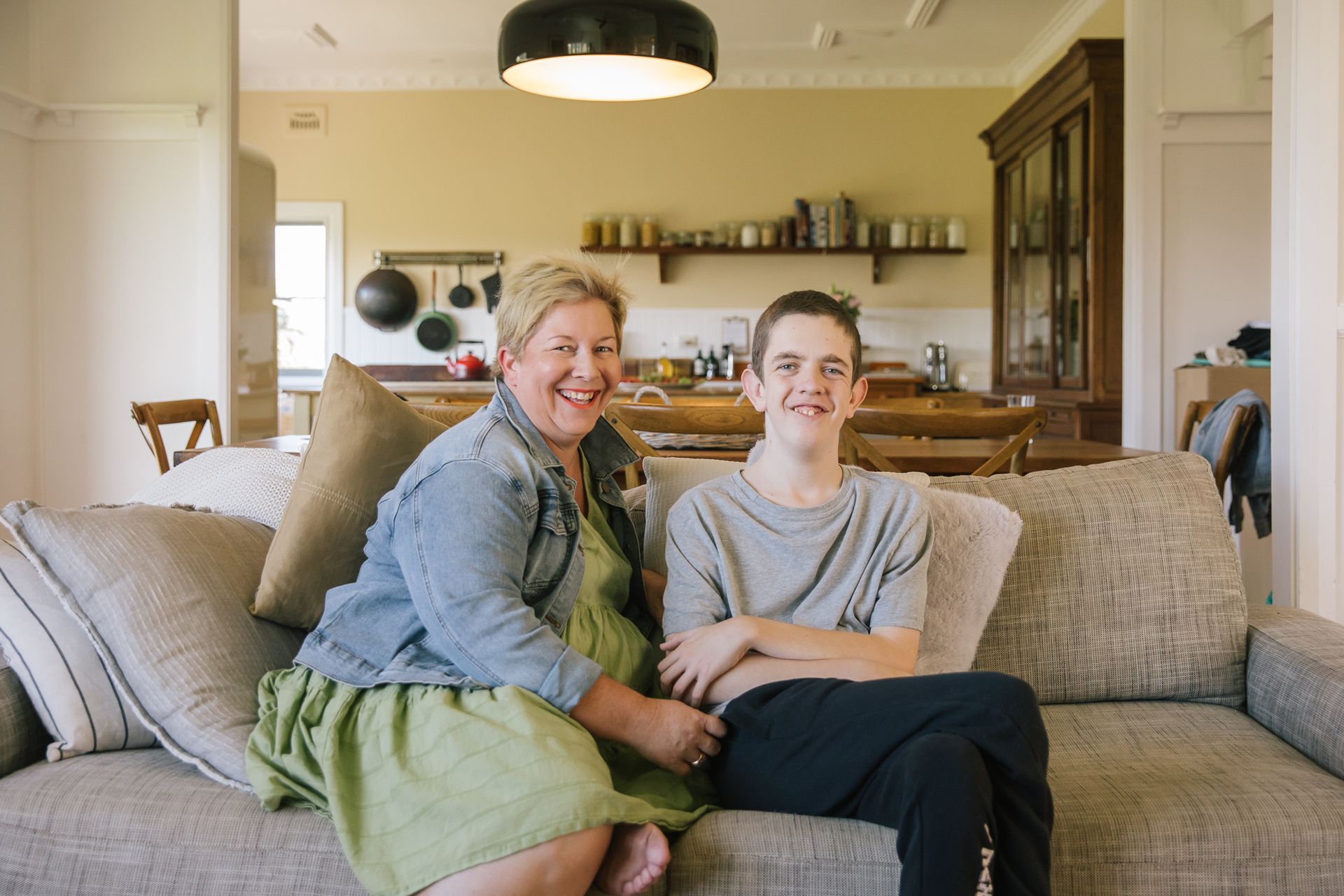
When distressing global news or uncertainty hits, it’s natural for people to feel a mix of emotions - but no one should have to carry it alone. Here's how you can lend support.
After a violent attack shook Leigh’s sense of safety and identity, it was connection and genuine care from friends that helped her find her way back.
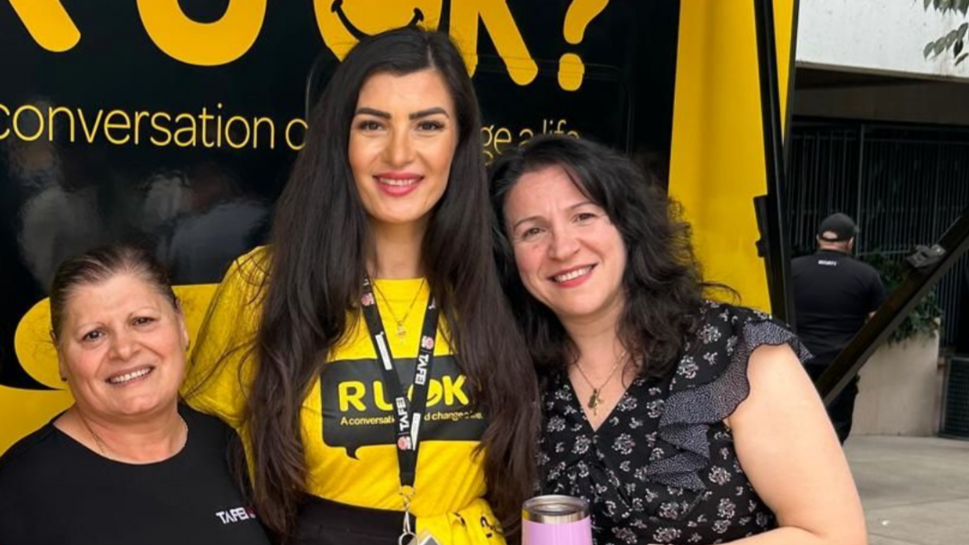
With Harmony Week highlighting the importance of belonging, Nazik’s story of overcoming adversity shows how connection can shape a life.