How sharing my story helps others

hello • 27 February 2018


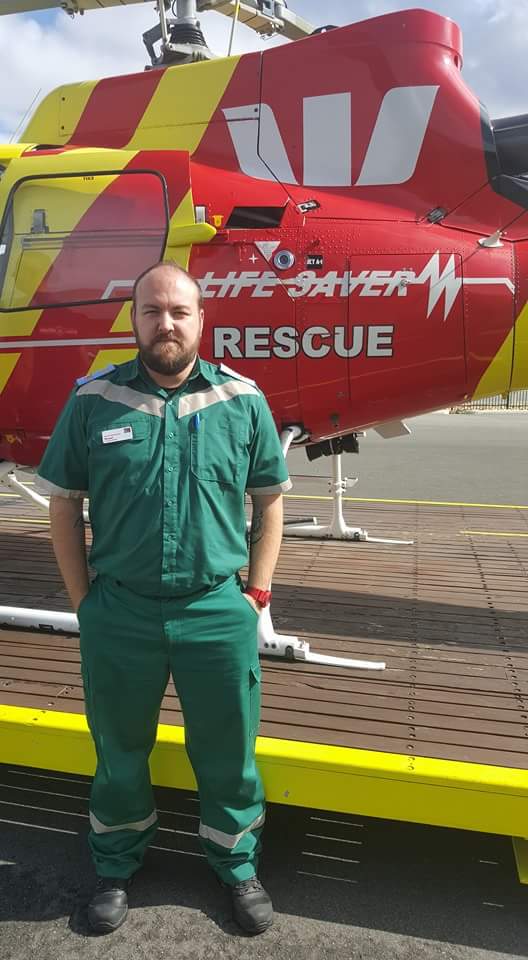
Russell is a paramedic, son, a big brother, an uncle, and a sufferer of mental illness. He’s also the voice behind ‘The adventures of an anxious mind’ a blog exploring everyday life, while living with Anxiety and Depression: https://theadventuresofananxiousmind.wordpress.com/

“I was officially diagnosed with Anxiety and Depression in August 2017. To try and make sense of what I was going through I decided to document my journey and tell my story through a blog. It’s a pretty raw and honest blog, that I was initially nervous about sharing with family and friends – I guess I was worried about the stigma attached to mental illness. Thankfully their response was welcoming and it helped them understand what I was going through and how I was feeling. It really deepened the conversations they were having with me and helped them provide the support that I needed. But my blog has done more than help me, it’s helped others too.


Helping others:

“I was having a chat about my blog with a colleague who mentioned a friend of hers was going through something similar. She wanted to be a good friend, provide support and link them in with professional support. She asked if would It be OK to share my blog as it might help her friend feel comfortable taking that next step in seeking help. I agreed and provided the link to the blog, as well as the contact numbers for a few places which I thought might be useful for her friend. About a week later I got a phone call from a reader of the blog. The call was from a young male, the friend of my work colleague, who was feeling suicidal. He explained how each day was an internal struggle and how he didn’t know how to ask for help. The guy explained how he wasn’t able to answer people when he was asked if he was OK, because he knew he wasn’t but he didn’t know why or how to explain this. He told me while reading my blog that he could relate to my experiences, and that I had given him the courage and ideas for where to seek help. The guy thanked me again, and told me that if it wasn’t for the blog and me sharing my own story he doesn’t know where he would be today. He’s asked me to keep on writing and sharing my experiences as this helps him and others struggling with a mental illness and it’s something I intend to do.


“What I want to impress on people though is the role of the friend in this story – the one who reached out to me. She identified that her friend was struggling, wanted to support them and found a way to encourage action by using someone else’s words. I think it’s so important that her friend had opened up to her in the first place, that she took it seriously but she also knew her limitations when it came to providing the support he needed. She took it upon herself to educate herself and connect her friend with a resource that could help. And that’s why today he’s in a much better place.


My advice:

“I think it’s important we share these stories, start these conversations and provide advice to both the person going through a tough time and those supporting them. And a great place to start is with the R U OK? website: www.ruok.org.au


R U OK? promote four steps to a conversation with someone you’re worried about: Ask, Listen, Encourage action and Check in. Find conversation tips here: www.ruok.org.au/how-to-ask


If you or a loved one need immediate support, Lifeline provide free 24/7 telephone crisis support on 13 11 14. Other supports can be found at www.ruok.org.au/findhelp

14 December 2025
The recent incident in Sydney has left many feeling distressed and overwhelmed, and you may notice the children in your life are struggling too. Below, you’ll find advice from mental health experts on caring for your own wellbeing, and providing meaningful support to others in the days and weeks ahead. Talking to children about traumatic events Children are likely to have seen and heard distressing information about this incident. Ongoing news coverage, images and discussion can intensify feelings of anxiety, sadness and anger. The Child Mind Institute has published a practical guide to help parents and carers talk with children about traumatic events. The guide offers practical age-specific advice and has been developed by experts in child psychology, you can access this guide here . Events involving violence or serious harm can be especially difficult for children to understand or discuss. The guide focuses on helping children feel safe, supported and reassured, and encourages parents, carers or guardians to: Provide comfort and reassurance, including physical affection Remain calm and measured when discussing the event Maintain regular routines to restore a sense of normality Encourage play, connection and time with others Share honest, age-appropriate information from trusted sources Limit children’s exposure to news, especially younger children Listen patiently and validate children’s feelings Recognise that fear, anger, sadness or guilt are all normal reactions Looking after yourself, and supporting others Rachel Clements, R U OK? Advisor, and Director of Psychological Services at Centre for Corporate Health, said strong emotional reactions are normal and healthy for people of all ages following public acts of violence, even among those not directly impacted. “Some reactions that are incredibly normal are concern, shock, horror, disbelief. When that wears off sometimes, people experience stronger feelings, sometimes anger, despair, sadness, anxiety or fear-based behaviour."  Ms Clements advised that connecting with friends, sporting clubs, or workplace networks, and simply asking ‘are you OK?’, can play a key role in supporting people experiencing distress. "This event will disrupt the nervous system. One of the most important things we can do is stay connected, talk to each other and lean into supportive conversations,” Ms Clements said. She suggested starting a genuine conversation by asking questions such as: 'it's been tough watching this information coming to light, how are you feeling about it?’ “Then, all you’ve got to do is listen with empathy, without judgment or interruption, and just allow someone to talk about their experience and how they are feeling. When it is the right time in the conversation, you can then gently guide someone towards supportive actions, like doing some gentle exercise, staying connected with friends and family, or maintaining regular routines.” Ms Clements emphasised the importance of checking in again to ensure people have continued support. If you notice someone’s distress is ongoing for several weeks and begins to affect their work or social life, professional help should be encouraged. If you or the children in your care are experiencing ongoing distress, consider speaking with a doctor or another trusted healthcare provider. Free and professional 24/7counselling services are available, find contact details here . If you or someone you know is in immediate danger, call 000. Ask R U OK? Any Day.
11 December 2025
This year, Australians continued to grow their confidence and capability to ask, 'are you OK?' any day of the year - reminding us how real connection and meaningful conversations can happen in the most ordinary, everyday moments. Across every age and stage of life, people helped normalise these important check-ins by looking out for one another, reducing stigma, and driving genuine change. Thanks to our supporters, awareness continues to expand in schools, workplaces, sporting clubs, and communities in every corner of Australia. Thank you to everyone who started conversations, and to everyone who supported the mission and work of R U OK?. Below is a short video which shares a glimpse of the activity made possible through collaboration. *Voice-over by former-CEO, Katherine Newton.
10 December 2025
From growing up on farms to a shared interest in history, Australians, young and old, are discovering just how much they have in common, and how storytelling can connect generations in unexpected ways. What’s bringing them together is 'Heart and Soul Story', a social enterprise that fosters intergenerational connections. Through its programs, young people and older generations come together in aged care homes and schools to share stories, build life skills, and prevent loneliness. At a recent session which encouraged everyone to Ask R U OK? Any Day, students visited an aged-care community with R U OK? Conversation Bingo cards, which feature prompts to spark humour, curiosity, and connection.
Show More