The #6Bs that are getting blokes talking
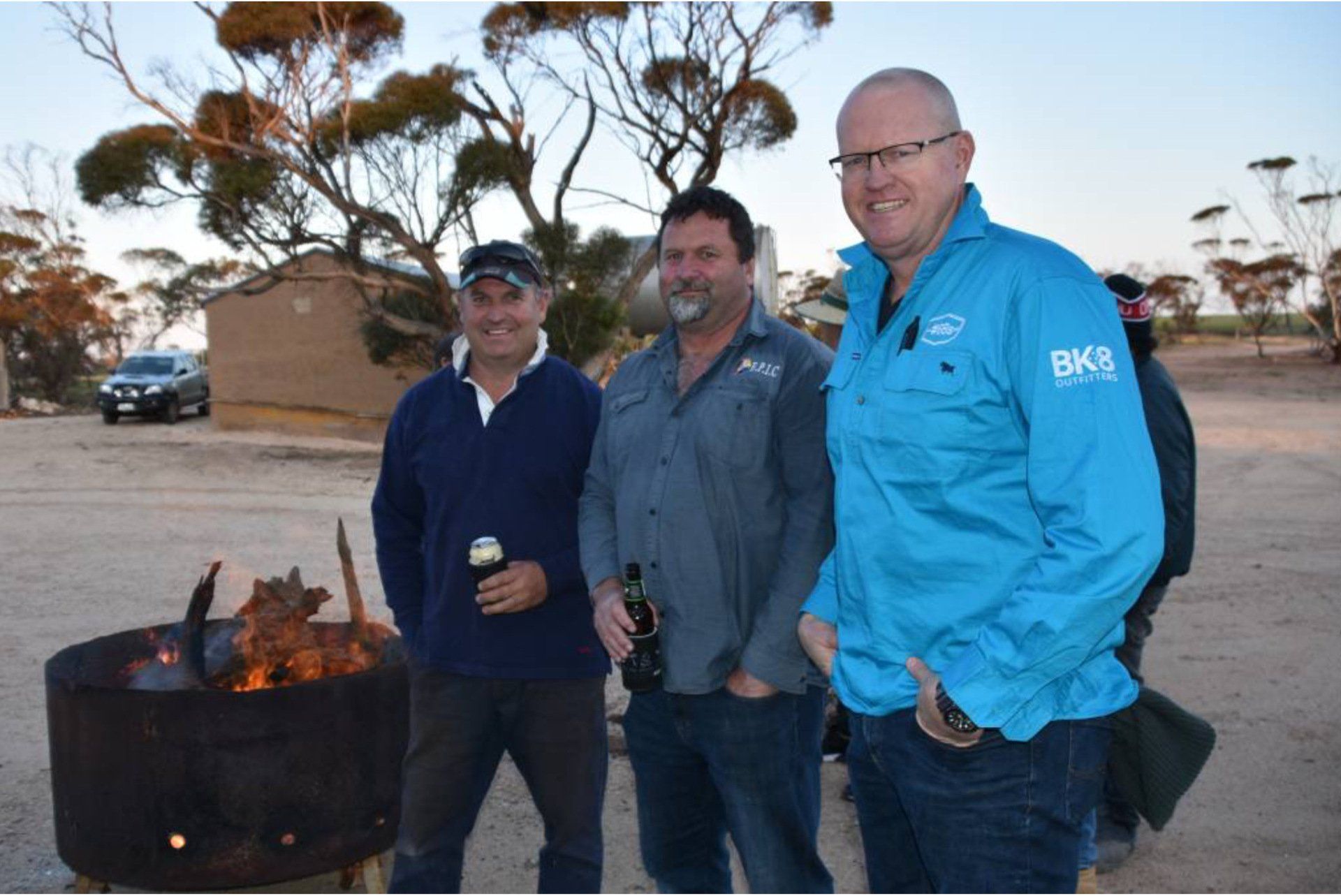
On the regular, a group of blokes come together to sit around a bonfire, cook a bbq, drink a beverage and bond over conversations about life’s ups and downs (and the b*llshit life sometimes serves).
What started as one night hosted by Watheroo local Bradley Millsteed, has turned into regular catch ups and conversations with regional blokes across Australia. We had a chat to Brad about what motivated him to start #6Bs, what he has learnt from the men he’s met and what advice he has on how to start a conversation with the men in our lives.
Can you tell us a little bit about #6Bs and the community you have created?
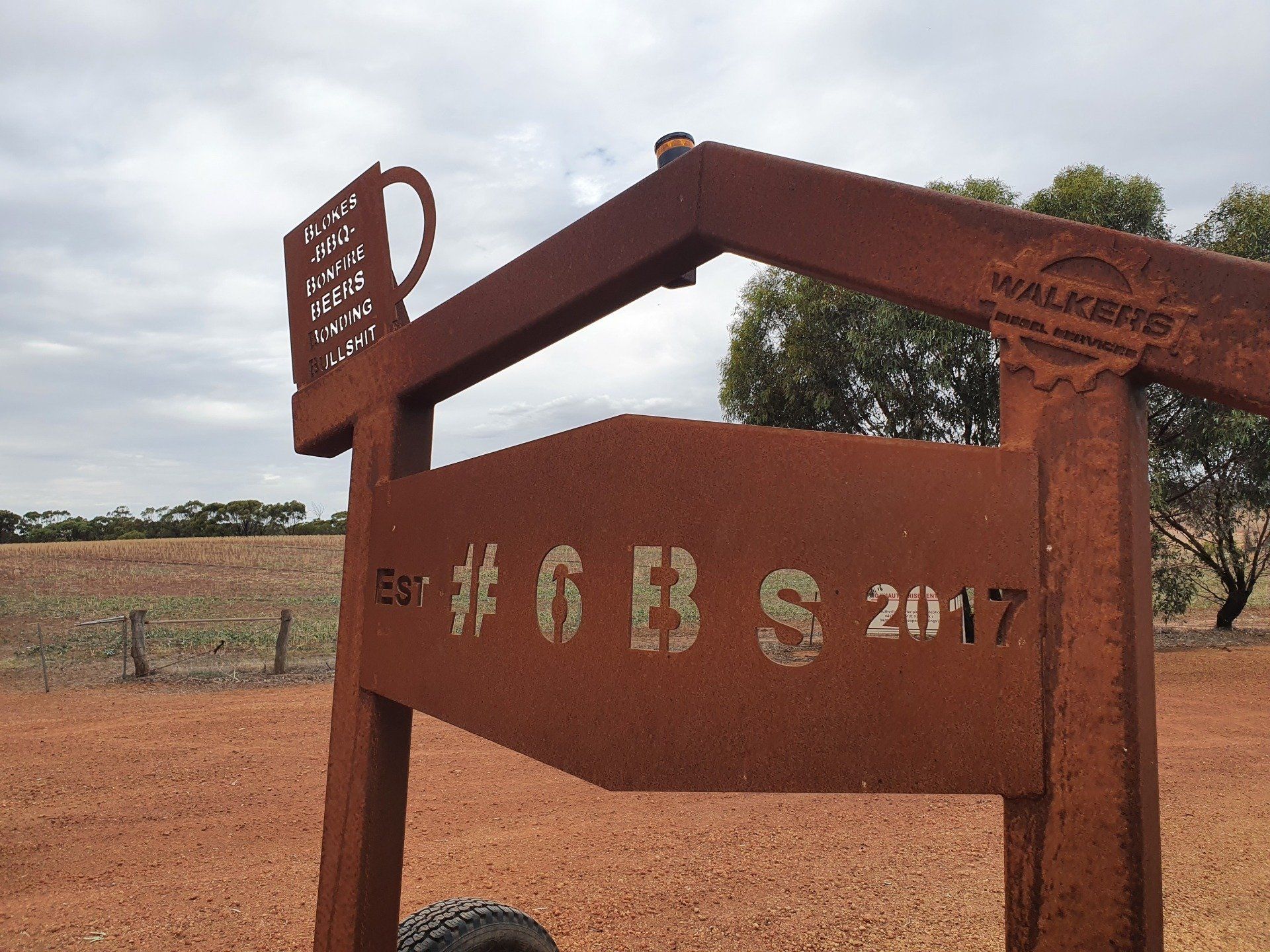
I live in an agriculturally based community, and we were having (another) dry start to 2017, so I hosted an evening for the local blokes in Watheroo, on May 8 (Mate Day). Just a simple night with an invite for blokes to come and stand around the bonfire, with a warm bbq plate to cook on, some beverages to encourage the b*llshit, but also to bond together and share where we were at with work, family, life, home, whatever needed to be talked about. I was surprised by the turnout and thought there should be more opportunities and spaces for blokes to come together and chat. I started holding more events and posting about them on social media under the hashtag #6Bs. Thanks to the powers of social media the concept of the #6Bs started to gain traction and now people are hosting #6Bs events across Australia.
I am not involved with the organisation of events in other communities, this is up to the host of the event, to organise the location and how they want to run the gathering. I encourage hosts to lead their event and make decisions as they know how best to connect with their community. I am of course, always there to help them as they plan, prepare and execute the event. Events hosted don’t need to be branded #6Bs either - plenty of “Blokes Trips” occur and it’s amazing how many of those get in contact for a set of pannikins to take away with them for the blokes to use while away.
I think the fact that #6Bs has grown quite quickly and organically speaks to the need for blokes to have a neutral space to chat about life. Sometimes just hearing that someone else is going through the same change that you have gone through, can be very comforting to know that we aren’t alone or there isn’t anything majorly wrong with us.
What motivated you to start #6Bs?
I had been really missing my close local mates who I used to see so regularly when we played team sports together. Our lives had evolved and changed with having children of our own, trying to grow our businesses, and the natural change in direction of our life journeys. Team sport had played such an important part in my life up until that point, and we didn’t have any outlet to bring us together as a group. There was no male team sports left operating in our small country town.
I saw the impact the initial meet up on May 8 had, not only on me, but on other blokes in the district. Then, I happened to come across the 3 part documentary by Gus Worland “Man Up” on ABC and he inspired me to stand up and try to take a lead in this area. I have always filled roles within our community in a leadership capacity, and this just seemed to be a natural evolution to try and lead and inspire like minded men to take ownership of their own health and lead their communities in having more conversations about wellbeing.
What continues to motivate me is the desire to keep men talking and alive. On average, every day in Australia, 9 people lose their lives to suicide. Of these 9 people, 7 of them are blokes. This has grown since 2017, where 8 Australians lost their lives to suicide each day, 6 being blokes. At the time I started #6Bs, it hit home that the #6Bs represented the 6 blokes who lost their lives to suicide every day. At the time I started #6Bs, it hit home that the #6Bs represented the 6 blokes who lost their lives to suicide every day. The pressure placed onto the modern man is higher than ever before and the isolation that so many of us feel is real. We as humans are “herd animals” and regardless of how much someone will tell you that they prefer their own company, and not being around others, we all still need human contact at some point. Even if someone’s personality is introverted and not needing to be the centre of attention at a function, they will still enjoy contact with others and the opportunity to connect.
What’s working?
I feel the whole concept is working. It really does just centre around giving guys a neutral place to come along and connect with each other (and themselves). For blokes, regional living or social outlet is traditionally centred around either sporting clubs/groups and/or pubs. As our regional communities dwindle, this takes away our sporting clubs and puts the local watering hole under pressure to remain open. I have also come to realise that many men don’t engage with or like sport. And some don’t really like going to the pub either. But most are really happy to be around a fire, we all like to eat, and you can have a social drink with no pressure for it to be alcoholic, just to connect.
The #6Bs is all about the 3 C’s - communities connected in conversation. Making it male only isn’t designed to be disrespectful to our families, they are the dearest things in our lives. But the opportunity to be solo and have the time to express yourself (if you want to) and communicate with other blokes about what is happening in your life is bloody important. Blokes in these situations don’t have to feel the need to fulfill the instilled attributes of “hunter gatherer, provider, defender”, they can just be blokes and share with others.
What advice would you give to people wanting to check in on the men in their lives? Do you have any advice for getting men to open up?
Language and setting are vital! Men don’t talk face-to-face, we talk over our shoulders. If it is a face-to-face conversation, it is often taken as quite confrontational. For a conversation between regional-based blokes or farmers, the setting doesn’t get much better than either sitting in the front of a ute driving around or leaning on the back of a ute having a debrief with a beer.
Communication is more than speaking. Listening is arguably more important. We have one mouth, two ears and two eyes for a reason, and they should be used in that ratio. Speak little, listen and sense lots. Being able to sense and realise when someone isn’t their “normal” self is so important. When normal routines are broken and people start withdrawing from what they normally do, it’s a very good sign that things might be starting to go astray in their wellbeing. At this time, you need to ask the tough question “R U OK?”, and then have the resolve to follow up with another question if the answer you receive or the expressions during the response aren’t what you expected. If you aren’t able to make that connection, contact others in your circle of mates to reach out - someone will be able to connect with them, and get them to share their situation.
Thanks Brad for being a conversation hero and championing chats with regional blokes across Australia.
To find out more about #6Bs visit: www.6bs.com.au
If you’re supporting someone in regional and remote Australia who's going through a tough time, you can download our Mateship Manual as a helpful guide to starting conversations: https://www.ruok.org.au/mateship-manual