From self-harm to self-care
Anastasia reflects on her experiences with self-harm as a teen and what helped her stop
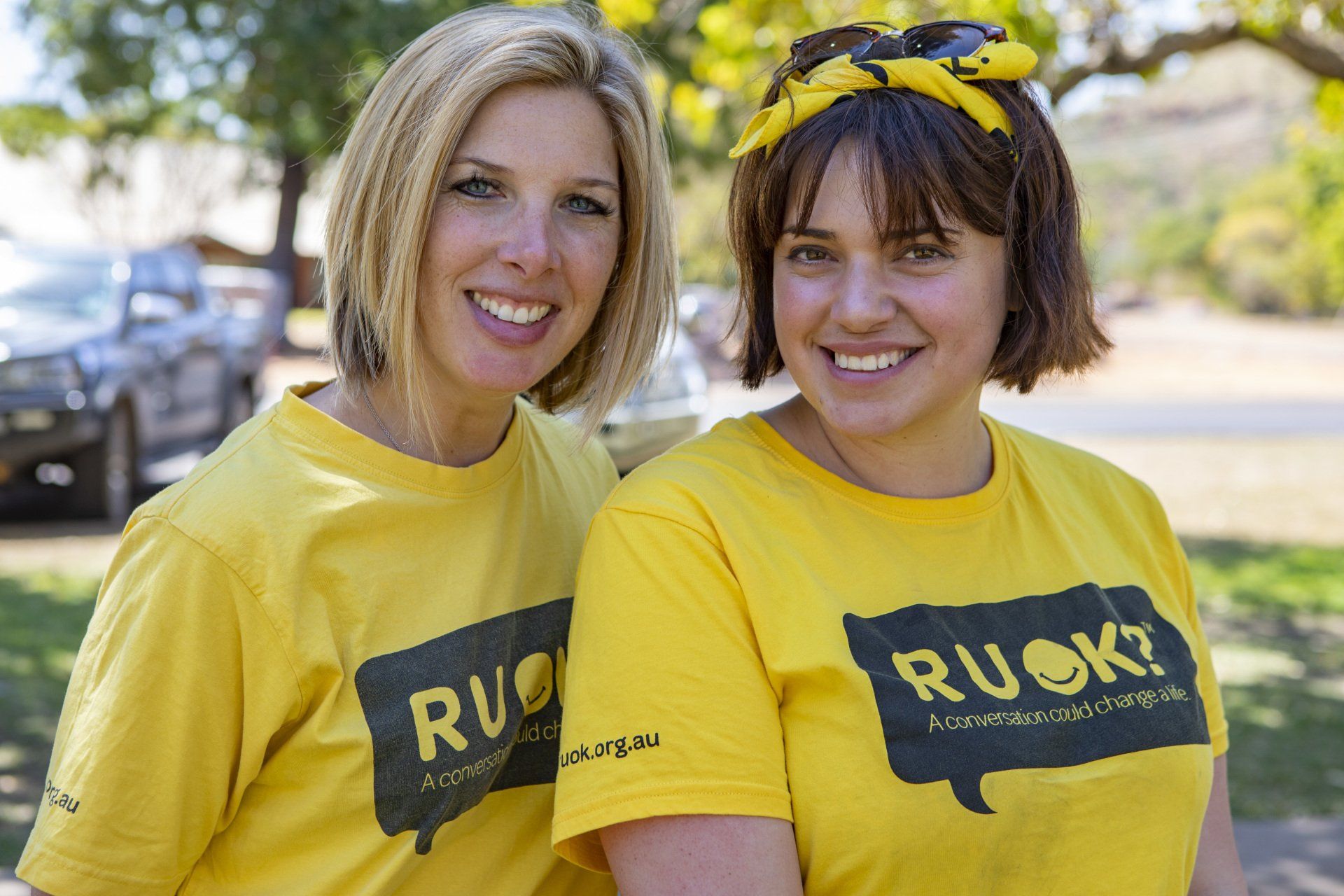
This year our
principal partner Liptember have launched the #GetLippy campaign to help
spread awareness and encourage women and girls to not be ashamed to speak up
and seek help. To support this campaign, Anastasia the Brand and Communications
Manager for R U OK? is sharing her personal mental health experience with self-harm
as a teen. She answers the questions we don’t often ask about self-harm and
shares what helped her stop.
Why did you self-harm?
If I’m honest, it started as a learned behaviour. There were other girls in my grade who were self-harming and it was almost a show of pride at times. It sounds stupid, but I decided to try it. The rush and control I felt meant it didn’t stop there and it quickly become an unhealthy habit and outlet.
It’s a common misconception that everyone who self-harms is experiencing thoughts of suicide. I can’t speak for everyone, but this wasn’t the case for me. Sometimes it was an outlet to make me feel I could control something when I was going through a lot of change and felt I had no control over a lot of things that were going on. Other times, it was an outlet for the anger, the self-loathing and pain I was feeling inside.
What changed things?
I was quite good at hiding the scars but then I did what I call my cry for help – it was the first time I had harmed myself somewhere people could see. It meant I had to wear a bandage for a while whenever I wasn’t wearing long sleeves. I was pretty embarrassed about it and still did a pretty good job of hiding it and rocked the long sleeves as much as I could. I was working at a fast food outlet at the time with one of my besties and a guy we worked with was asking a lot of questions about why I was wearing a bandage. It was making me pretty uncomfortable as we both knew why and I don’t think he was asking with the best of intentions. She stuck up for me, told him it was from a burn. But she didn’t leave it there. She pulled me aside a little later and said, “I know what that really is. I’m worried about you. What’s going on?” I answered truthfully, “I don’t know” and she urged me to talk to someone. I didn’t that day, but it got me thinking. Not long after, my sister saw the scars and sat me down on the steps outside our kitchen. She was pretty upset and really tried to understand why I felt this was something I had to do. We chatted and cried, she kept asking why, and it got me thinking again about that question. I couldn’t explain it as it was no longer something I really had control over, it was an urge that happened whenever I felt tough emotions. I knew it wasn’t healthy. After that conversation she talked to my mum who hadn’t known what was going on. They organised for me to see a psychologist who, over a few months, taught me better ways to express and manage these emotions. We started with little things like flicking an elastic band whenever the urge arose and slowly built a toolbox I could use whenever I felt that urge - deep breathing exercises, exercise and music as distractions when the urges arose, and learning how to articulate the thoughts and emotions I was experiencing. It took time and effort but it was so worth it and things got so much better.
I’m so grateful to my best friend and sister for telling me they’d noticed and asking why. I wasn’t in the headspace to realise how bad it had become or to ask for help and they made it so much easier. I’ve been free of the urges since I was 19 and can say I have a much better relationship with myself and others thanks to the toolbox I built in my teens.
What would be your advice to someone who’s self-harming?
Reach out for help, it’s the best thing. If you can’t talk to your parents, friends or teachers there are safe spaces online, over the phone and in person you can go to like Lifeline, ReachOut.Com or headspace. The urges and thoughts you’re having can be managed and are more likely to go away with proper support. It might take a few tries, a couple of professionals and treatments, but there is help out there.
I also want to say, the thoughts and feelings don’t define you as a person. There’s so much more to you. Sometimes, we need help to see that and you deserve to see and believe it, too.
What would your advice to those who are worried a loved one’s self-harming?
Look for the signs:
·Changing the way they dress
·Becoming more withdrawn
·Have unexplained injuries
Even if you don’t see these but just have a feeling, approach them or try to think of someone who’s well placed to chat to them. Often, it’s an outlet for other thoughts, emotions and feelings they’re struggling to process or control. By chatting to them about the why and encouraging them to access support to better manage these feelings, you can help them start their journey away from self-harm.
If you’re not sure how to have that conversation I’d encourage you to use R U OK?’s 4 steps: Ask ‘Are you OK?’, Listen with an open mind, Encourage action and Check in. The check in is very important – it takes time for the urges to go away and to learn other ways to handle them. Checking in, seeing how they’re going and keeping an eye out for them is so important.
If you or a loved one need immediate support, Lifeline are available 24/7 on 13 11 14. Other supports can be found at www.ruok.org.au/findhelp
Liptember is a campaign dedicated to raising funds and awareness for women's mental health during September. Recipients of their fundraising efforts include R U OK?, Centre of Women’s Mental Health, Lifeline, Batyr, The Jean Hailes Foundation and The Pretty Foundation. Get involved and support the campaign here: https://www.liptember.com.au/