Escaping the cycle of violence: The gentle hero who showed me a better way

hello • 27 June 2017

Editor’s Note: If you’ve experienced domestic violence, the following article could be potentially triggering. You can contact 1800 Respect for counselling, information and support 24/7: 1800 737 732
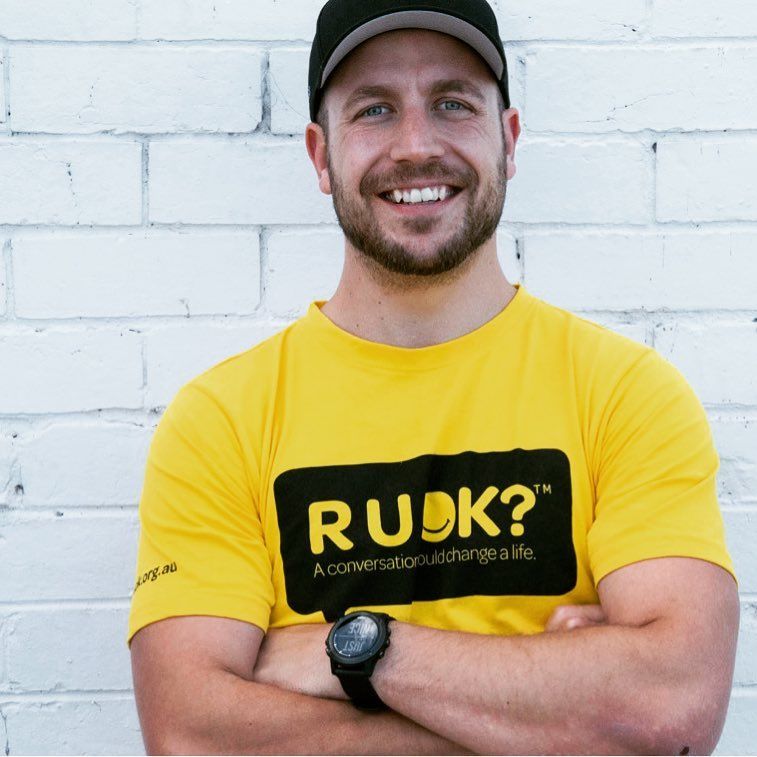


This article was written by Josh Reid Jones the founder of the Just Be Nice Project and an R U OK? community ambassador. He can be found at joshreidjones.com and jbnproject.com .

The last time was not the first time. My father was attempting to break both my mother’s arms off, and in trying to help my Mum he tried to throw me through our glass sliding doors.

The floor was wet, a result of the beverage that Mum was preparing being knocked off the kitchen counter as she was manhandled to the floor by a man who was lost to an alcohol induced rage. Black eyes, screaming, crying siblings. A small boy unable to save his mother properly. These are my memories, but we got away that night.

My father himself must have watched similar scenes as a child. His own father was an abusive alcoholic, as was his grandfather. A long line of male abuse runs in the family, stretching back generations of men whose behavior I cannot understand.

Flash forward a few years and I am at my most impressionable age, in my early teens, going through the usual motions of hormones, girls, school, feeling the self-imposed responsibility of being the “man of the house,” etc., etc. It is one of the rare weekends we spent with him. My father sits me down, my younger siblings now in bed.

What feels like a deep and meaningful conversation begins, and he relays to me a lot of what I must be feeling, tells me he went through the same feelings with his father. I feel like there is an understanding, an understanding of a feeling that has always been hard for me to articulate. Then he says to me that even though now I was appalled by what happened, one day I would do the same thing.

One day I would do the same thing.

Rationalize what you want, when you are an impressionable young teen, and someone relates an understanding of your feelings then predicts your future, it is hard to reconcile. It’s a weight you carry with you everywhere. It hangs over every interaction, every relationship. The “Black Dog,” the “Dark Cloud,” the “Weight.” Call it what you want, it just lurks in the background of your whole life.

During the same time, my best friend and I were in high school. We had been mates since we were 4 years old, and with varying levels of engagement, his father had always been an example of what a loving and supportive father should be. An example of a good man. Without being over the top, he just lives a good life and is a wonderful human.

Greg was there in all the non-hero ways someone can be there: dinner, help with school work, discussions about the world at the dinner table. He is universally respectful, hardworking and always loving to his family. For 10 years Greg had been this fantastic example to me before he changed my life.

Driving home from an after party, in the morning, while nursing my first mild hangover at 14 years old, Greg told me he was proud of me.

It was a throwaway comment, no fanfare. “You boys did really well last night, we’re proud of you, and we’re proud of you too, Josh”.

I nearly cried in the backseat of the car right there.

By living a good life, by being there consistently, by being a fantastic example of being a man, Greg was able to be the counterbalance to the negative impact of my own father. If someone this good, if a family this close is able to bring me in as their third son and be proud of me, then maybe I am different from the long line of men who have made mistakes before me.

Consistency.

Not one hero action, no attempt to save me, no overt move to “help.”

Greg and his whole family gets their credibility from living a good life, and for consistently being a source of support in times of need and in times when it’s not needed. In the years of just being Greg, there have been a couple of times when simply caring enough to be proud of me, or popping a hand on my shoulder and checking in on me, have made all the difference and allowed me to go on to bigger and better things than I could have without their support.

Never underestimate the importance of just being nice, being a good example, being consistent and checking in on those around you. Never underestimate the importance of taking the time to earn the trust and respect of those around you by practicing what you preach, because you never know who is watching. Sometimes we spend too much time looking to “save” people in very visible distress, and forget to look after those who may be silently having a tough time right next to us.

Just be nice, ask people R U OK? and be someone who sets a good example in their own lives, and the world will be a better place.2


Need tips for navigating an R U OK? conversation? Visit the How to Ask page.

Need help? Find help now.


3 February 2026
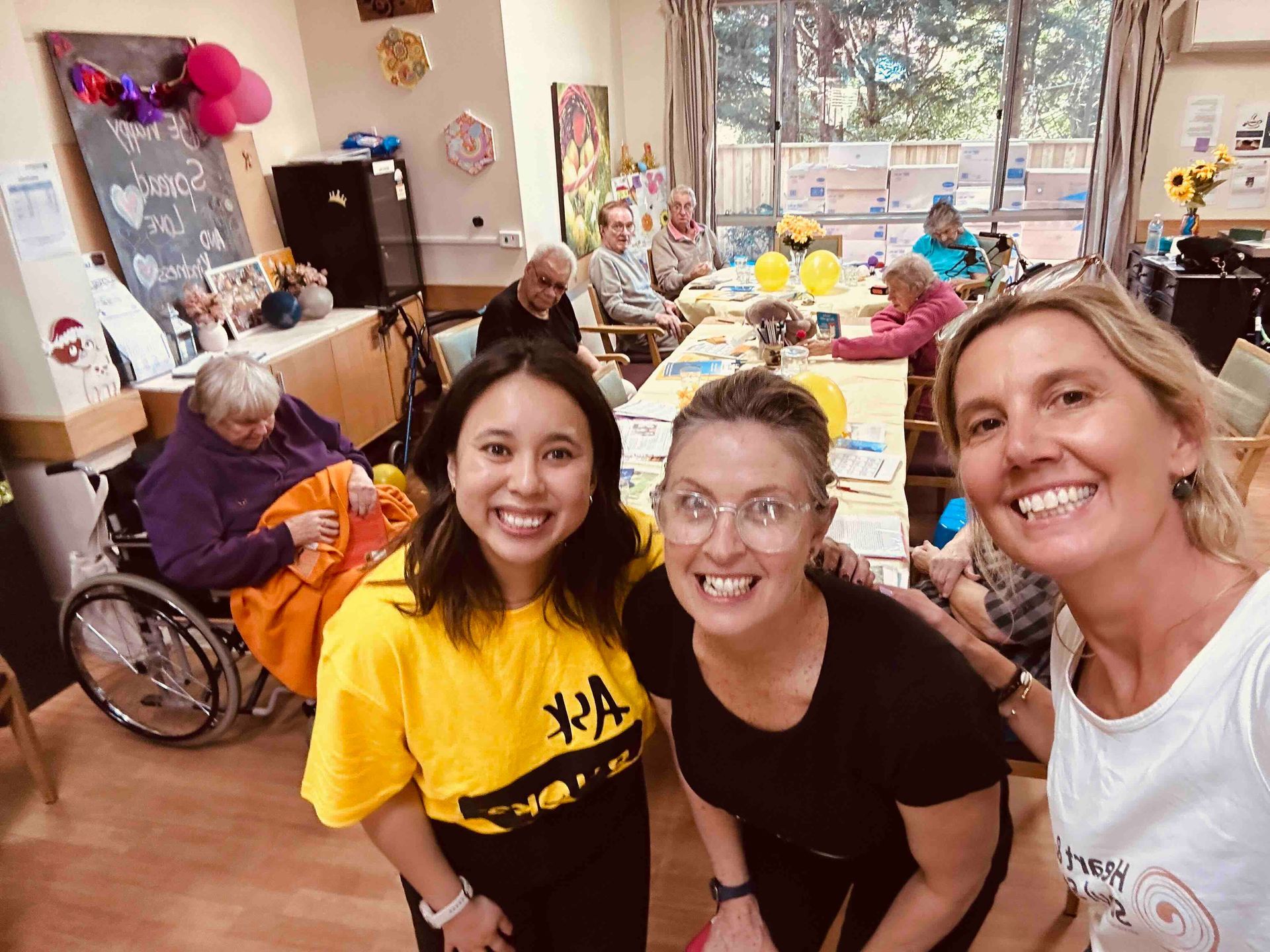
From growing up on farms to a shared interest in history, Australians, young and old, are discovering just how much they have in common, and how storytelling can connect generations in unexpected ways. What’s bringing them together is 'Heart and Soul Story', a social enterprise that fosters intergenerational connections. Through its programs, young people and older generations come together in aged care homes and schools to share stories, build life skills, and prevent loneliness. At a recent session which encouraged everyone to Ask R U OK? Any Day, students visited an aged-care community with R U OK? Conversation Bingo cards, which feature prompts to spark humour, curiosity, and connection.
14 December 2025
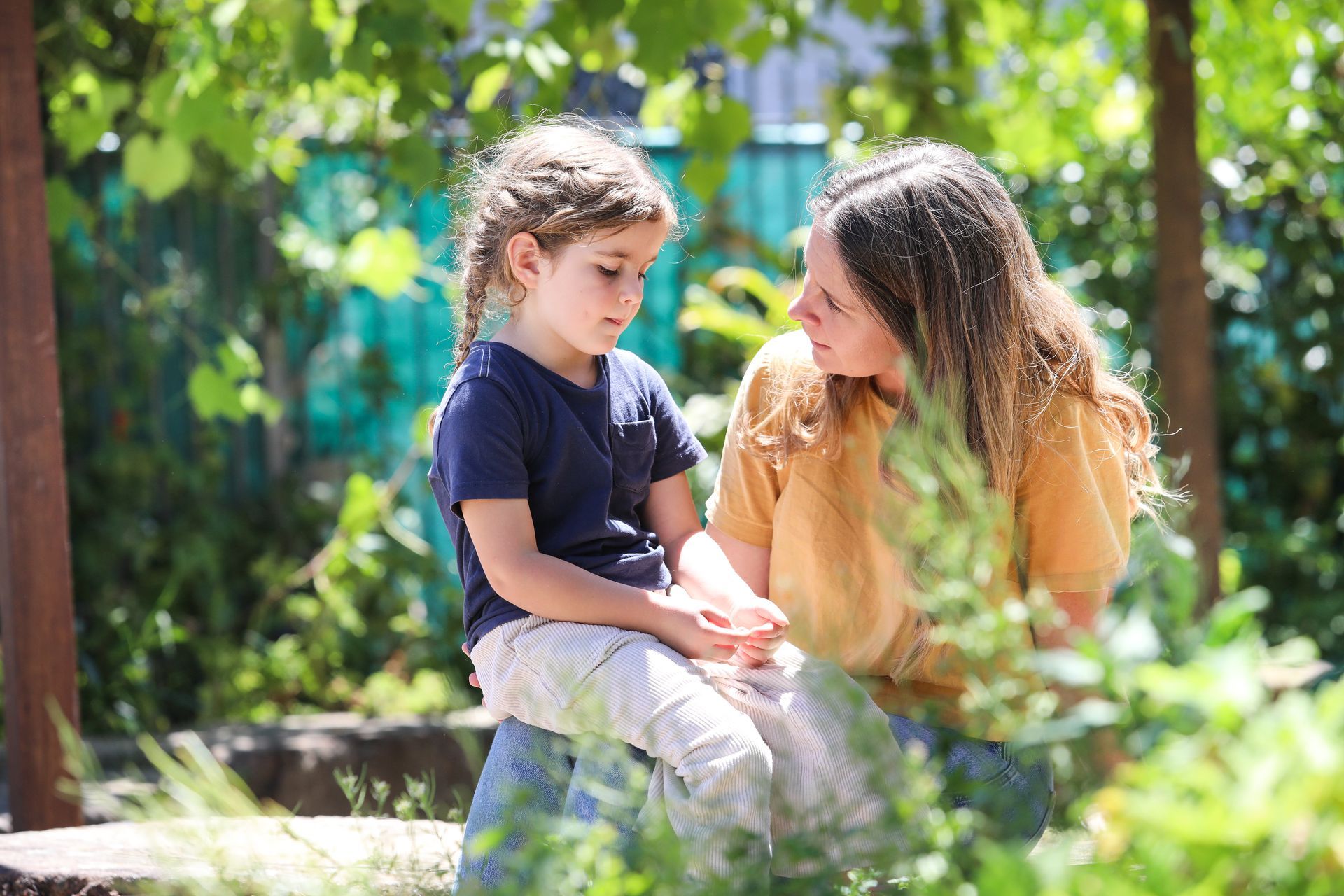
The recent incident in Sydney has left many feeling distressed and overwhelmed, and you may notice the children in your life are struggling too. Below, you’ll find advice from mental health experts on caring for your own wellbeing, and providing meaningful support to others in the days and weeks ahead. Talking to children about traumatic events Children are likely to have seen and heard distressing information about this incident. Ongoing news coverage, images and discussion can intensify feelings of anxiety, sadness and anger. The Child Mind Institute has published a practical guide to help parents and carers talk with children about traumatic events. The guide offers practical age-specific advice and has been developed by experts in child psychology, you can access this guide here . Events involving violence or serious harm can be especially difficult for children to understand or discuss. The guide focuses on helping children feel safe, supported and reassured, and encourages parents, carers or guardians to: Provide comfort and reassurance, including physical affection Remain calm and measured when discussing the event Maintain regular routines to restore a sense of normality Encourage play, connection and time with others Share honest, age-appropriate information from trusted sources Limit children’s exposure to news, especially younger children Listen patiently and validate children’s feelings Recognise that fear, anger, sadness or guilt are all normal reactions Looking after yourself, and supporting others Rachel Clements, R U OK? Advisor, and Director of Psychological Services at Centre for Corporate Health, said strong emotional reactions are normal and healthy for people of all ages following public acts of violence, even among those not directly impacted. “Some reactions that are incredibly normal are concern, shock, horror, disbelief. When that wears off sometimes, people experience stronger feelings, sometimes anger, despair, sadness, anxiety or fear-based behaviour."  Ms Clements advised that connecting with friends, sporting clubs, or workplace networks, and simply asking ‘are you OK?’, can play a key role in supporting people experiencing distress. "This event will disrupt the nervous system. One of the most important things we can do is stay connected, talk to each other and lean into supportive conversations,” Ms Clements said. She suggested starting a genuine conversation by asking questions such as: 'it's been tough watching this information coming to light, how are you feeling about it?’ “Then, all you’ve got to do is listen with empathy, without judgment or interruption, and just allow someone to talk about their experience and how they are feeling. When it is the right time in the conversation, you can then gently guide someone towards supportive actions, like doing some gentle exercise, staying connected with friends and family, or maintaining regular routines.” Ms Clements emphasised the importance of checking in again to ensure people have continued support. If you notice someone’s distress is ongoing for several weeks and begins to affect their work or social life, professional help should be encouraged. If you or the children in your care are experiencing ongoing distress, consider speaking with a doctor or another trusted healthcare provider. Free and professional 24/7counselling services are available, find contact details here . If you or someone you know is in immediate danger, call 000. Ask R U OK? Any Day.
11 December 2025
This year, Australians continued to grow their confidence and capability to ask, 'are you OK?' any day of the year - reminding us how real connection and meaningful conversations can happen in the most ordinary, everyday moments. Across every age and stage of life, people helped normalise these important check-ins by looking out for one another, reducing stigma, and driving genuine change. Thanks to our supporters, awareness continues to expand in schools, workplaces, sporting clubs, and communities in every corner of Australia. Thank you to everyone who started conversations, and to everyone who supported the mission and work of R U OK?. Below is a short video which shares a glimpse of the activity made possible through collaboration. *Voice-over by former-CEO, Katherine Newton.
Show More