Workloads affecting Australian workers ability to connect with colleagues

hello • 15 May 2019

Two years on from a world-first study into workplace psychological safety (1), results announced today by R U OK? show organisations can be doing more to ensure colleagues feel connected.
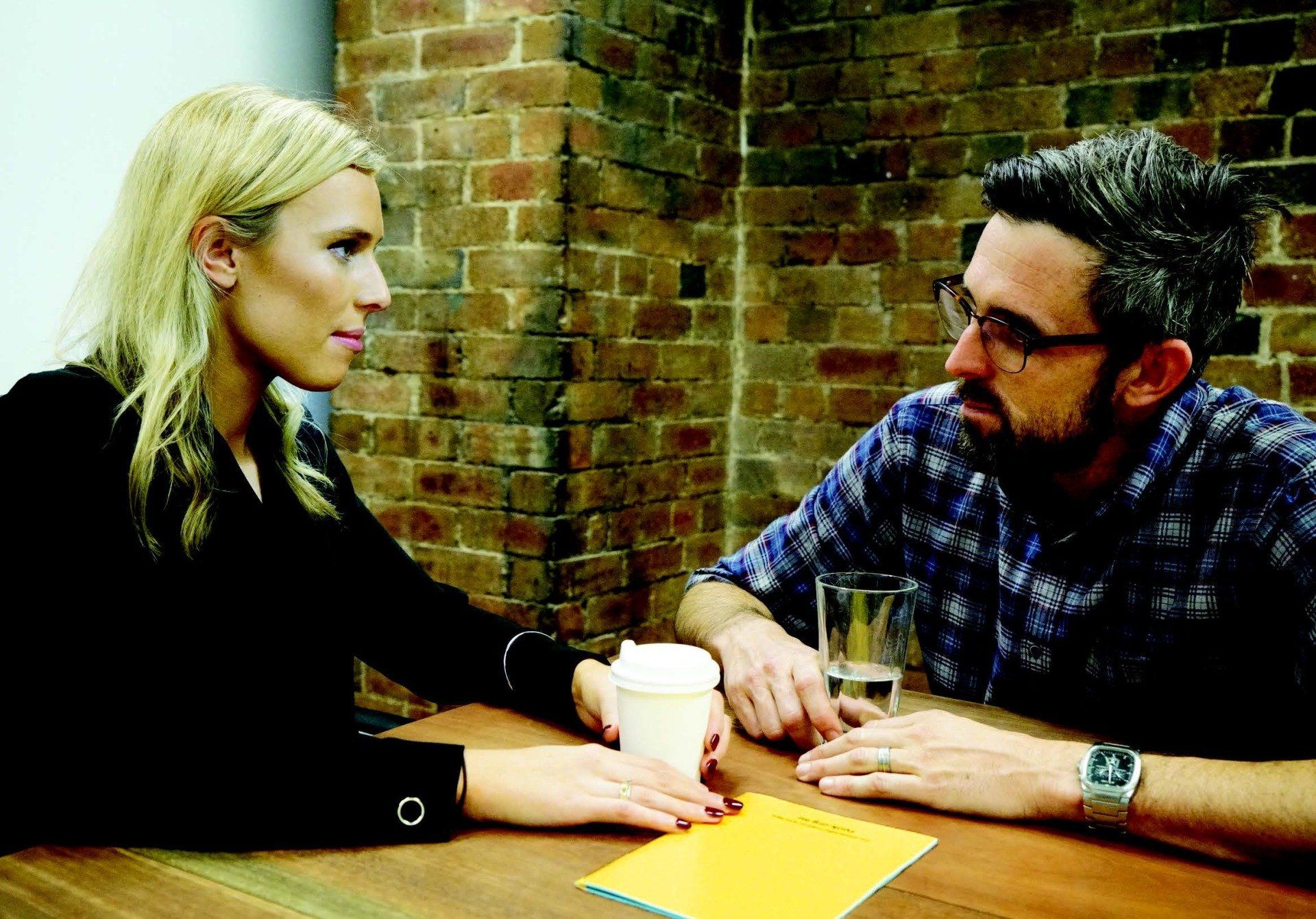


The 2019 Australian Workplace Psychological Safety Survey (2) surveyed 1,093 Australian employees and found that just under a quarter (23%) do not currently do any activities to connect them with colleagues. One of the biggest barriers found was not having time due to workload.

This is concerning considering leading suicidologist Dr Thomas Joiner’s work, which describes a lack of connection (or lack of belonging) as one of the three forces at play in someone at risk of suicide.

Workplace mental wellness expert and R U OK? Board Member Graeme Cowan is calling on workplaces to address this, pointing to both the social and economic benefits to organisations when a workforce feels connected and psychologically safe.

“A ‘psychologically safe’ workplace is characterised by a climate of interpersonal trust and mutual respect in which people feel comfortable being themselves and to ask for help,” says Cowan.

“Organisational workload will always be a barrier, however those who create opportunities for employee connection such as morning teas or celebrations for birthdays foster a positive culture”

“While there are benefits to individuals and a duty of care from organisations, psychologically safe teams have also been shown to be the most innovative – and in a worrying development, only 28% of respondents said they felt safe to take a risk in 2019 compared to 34% in 2017.

“Today’s results demonstrate more needs to be done to educate organisations on these benefits, to ensure all Australians are seeing the rewards of psychologically safe workplaces.”

These results will be announced at R U OK?’s annual Conversational Leadership event in Melbourne today, which will bring together 100 managers for a practical workshop on building an R U OK? culture in the workplace.

Organisations in attendance will include: AB Group, Audi, Australia Post, British High Commission, Flight Centre, Hoyts, IAG, Mental Health First Aid Australia, MTAA Super, University of Melbourne,
QBE and Yellow.

In addition to interactive demonstrations and take away resources, the event will feature case studies from Woolworths, Connor Menswear and Metro and Sydney Trains, diverse organisations who have successfully applied this cultural change.

Attendees will hear from Kevin Figueiredo, General Manager - Woolworths Group Safety, Health and Wellbeing regarding the mental health training Woolworths is currently rolling out nationwide.

“As Australia’s largest employer, the mental health of our team members is our number one
safety, health and wellbeing priority,” says Figueiredo.

“In the past 12 months we have introduced new mental health programs and trained 16,000 team members across the Group with the skills and knowledge to help peers showing signs of mental health issues.

“We recognise mental health is not just an issue for our teams but also friends and families, and we are committed to continuing to support innovative programs like R U OK? to keep these important conversations going.”

The Australian Psychological Safety Survey is the result of a collaboration between R U OK? and Amy Edmondson, the pre-eminent global thought leader on psychological safety and Novartis Professor of Leadership & Management at the Harvard Business School. (2)

R U OK? produce targeted workplace resources to support all organisations to get the conversation flowing. These resources are free, open source and available to download at: https://www.ruok.org.au/work


- ENDS -


NOTES TO EDITORS:

Interviews available with:
  • Graeme Cowan, Workplace mental wellness expert and R U OK? Board Member

For more information please contact:
About the Australian Workplace Psychological Safety Survey:
  1. The concept of “psychological safety” originated from Amy Edmondson, Professor of Leadership & Management from Harvard Business School and is defined as a team climate characterized by interpersonal trust and mutual respect in which people are comfortable being themselves.
  2. Conducted by Colmar Brunton for R U OK?, the Australian Workplace Psychological Safety Survey was based on an independent online survey of 1,093 Australian full-time and part-time employees across all states and territories in April, 2019.
  3. Read the full report here.

About R U OK?:
  • R U OK? is a not-for-profit organisation that aims to inspire and empower everyone to meaningfully connect with people around them and support anyone struggling with life.
  • R U OK? Day is a national day of action, held on the second Thursday of September each year. But every day is the day to start a conversation.
  • Conversation tips and crisis numbers can be found at ruok.org.au


Nazik, in a yellow t shirt, at an R U OK? event.
18 March 2026
With Harmony Week highlighting the importance of belonging, Nazik’s story of overcoming adversity shows how connection can shape a life.
3 February 2026
From growing up on farms to a shared interest in history, Australians, young and old, are discovering just how much they have in common, and how storytelling can connect generations in unexpected ways. What’s bringing them together is 'Heart and Soul Story', a social enterprise that fosters intergenerational connections. Through its programs, young people and older generations come together in aged care homes and schools to share stories, build life skills, and prevent loneliness. At a recent session which encouraged everyone to Ask R U OK? Any Day, students visited an aged-care community with R U OK? Conversation Bingo cards, which feature prompts to spark humour, curiosity, and connection.
14 December 2025
The recent incident in Sydney has left many feeling distressed and overwhelmed, and you may notice the children in your life are struggling too. Below, you’ll find advice from mental health experts on caring for your own wellbeing, and providing meaningful support to others in the days and weeks ahead. Talking to children about traumatic events Children are likely to have seen and heard distressing information about this incident. Ongoing news coverage, images and discussion can intensify feelings of anxiety, sadness and anger. The Child Mind Institute has published a practical guide to help parents and carers talk with children about traumatic events. The guide offers practical age-specific advice and has been developed by experts in child psychology, you can access this guide here . Events involving violence or serious harm can be especially difficult for children to understand or discuss. The guide focuses on helping children feel safe, supported and reassured, and encourages parents, carers or guardians to: Provide comfort and reassurance, including physical affection Remain calm and measured when discussing the event Maintain regular routines to restore a sense of normality Encourage play, connection and time with others Share honest, age-appropriate information from trusted sources Limit children’s exposure to news, especially younger children Listen patiently and validate children’s feelings Recognise that fear, anger, sadness or guilt are all normal reactions Looking after yourself, and supporting others Rachel Clements, R U OK? Advisor, and Director of Psychological Services at Centre for Corporate Health, said strong emotional reactions are normal and healthy for people of all ages following public acts of violence, even among those not directly impacted. “Some reactions that are incredibly normal are concern, shock, horror, disbelief. When that wears off sometimes, people experience stronger feelings, sometimes anger, despair, sadness, anxiety or fear-based behaviour."  Ms Clements advised that connecting with friends, sporting clubs, or workplace networks, and simply asking ‘are you OK?’, can play a key role in supporting people experiencing distress. "This event will disrupt the nervous system. One of the most important things we can do is stay connected, talk to each other and lean into supportive conversations,” Ms Clements said. She suggested starting a genuine conversation by asking questions such as: 'it's been tough watching this information coming to light, how are you feeling about it?’ “Then, all you’ve got to do is listen with empathy, without judgment or interruption, and just allow someone to talk about their experience and how they are feeling. When it is the right time in the conversation, you can then gently guide someone towards supportive actions, like doing some gentle exercise, staying connected with friends and family, or maintaining regular routines.” Ms Clements emphasised the importance of checking in again to ensure people have continued support. If you notice someone’s distress is ongoing for several weeks and begins to affect their work or social life, professional help should be encouraged. If you or the children in your care are experiencing ongoing distress, consider speaking with a doctor or another trusted healthcare provider. Free and professional 24/7counselling services are available, find contact details here . If you or someone you know is in immediate danger, call 000. Ask R U OK? Any Day.
Show More