Travis Collins: Turning a devastating personal loss into a passion for suicide prevention
hello • 3 February 2017

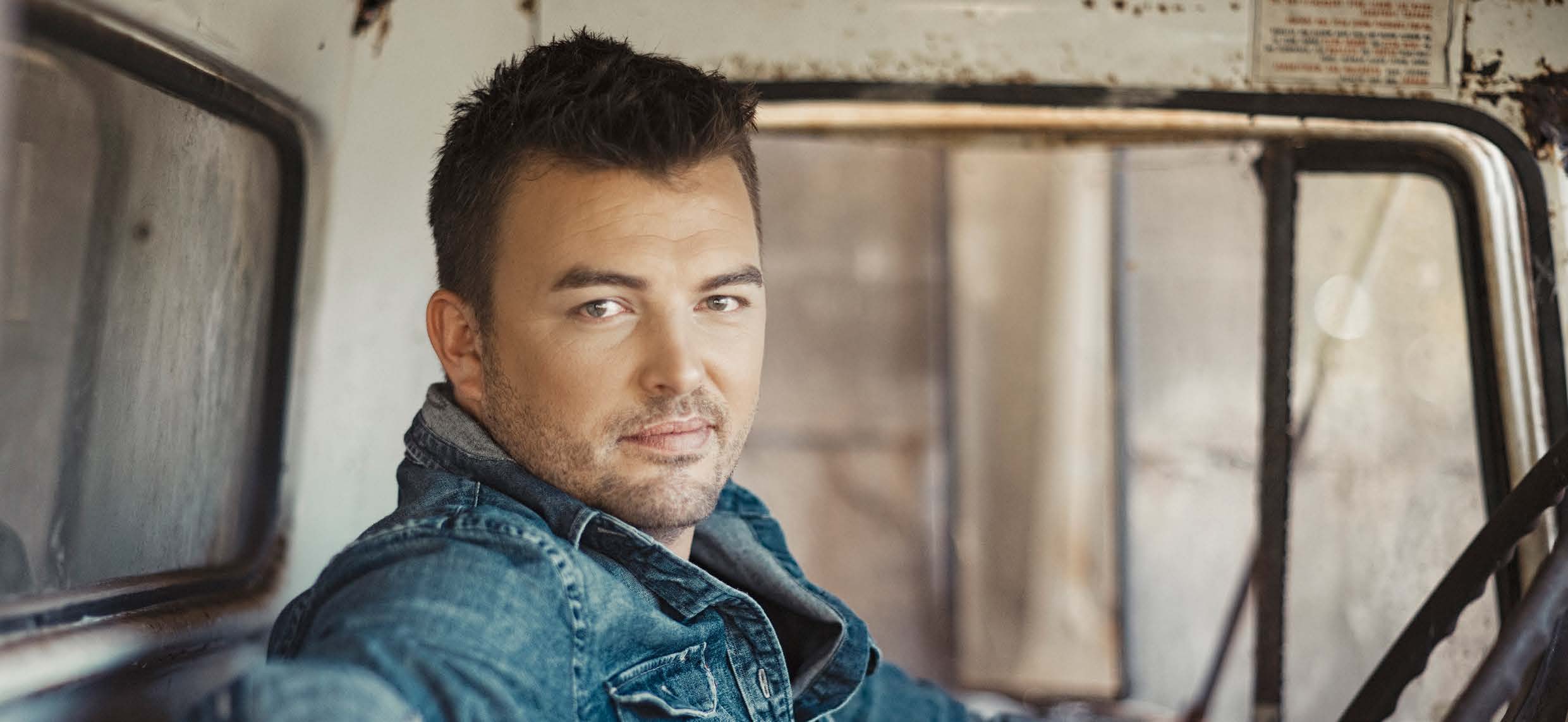
R U OK? ambassador and country music legend Travis Collins has turned a devastating personal loss into a passion for suicide prevention. Travis lost someone incredibly special in 2013. His best mate and father-in-law took his own life leaving his family and close-knit rural community, heartbroken.

The three times 2017 Golden Guitar winner (Single of the Year, Song of the Year and Best Male Artist) reached out to country music fans at this year’s T amworth Country Music Festival by encouraging them to check in with their mates and loved ones.

In conjunction with R U OK? Travis hosted, ‘Conversations in the Park’ , an open-air public event to share tips, strategies and stories about how to start life changing conversations with anyone who might be going through tough times.


Travis arrived in the park at 8.30am after an early night, despite winning his amazing trifecta of Golden Guitars the night before and endearing him to the crowd even more.

He performed a few favourites including Song of the Year about the loss of his father-in-law to suicide, ‘Call me Crazy.’ The song resonated with many in the crowd, some of whom were in tears recognizing their own losses through Travis’ heartfelt words.

He also shared some of his own personal story of loss and the impact it had on his family and town.

Travis’ father-in-law was considered the town larrikin, a big-hearted man who had struggles like all of us, but no one thought those struggles would lead him to take his own life.

“The loss of my father-in-law completely rattled the foundations of our family. No one in the town would have picked it, but in hindsight there were red flags that I didn’t notice because it was him. I thought, ‘It won’t happen to us. He’s too happy,” Travis said.

The inaugural event was a huge success with over 200 visitors in attendance. Fellow country music performers Amber Lawrence and Missy Lancaster also dropped by in support of R U OK? sharing their own stories and a few surprise songs, with fans.

R U OK? CEO Brendan Maher spoke about the importance of empowering people to meaningfully connect with each other and Tamworth Rural Adversity Mental Health Program ( RAMHP ) coordinator Kate Arndell encouraged linking rural people to the help they need.
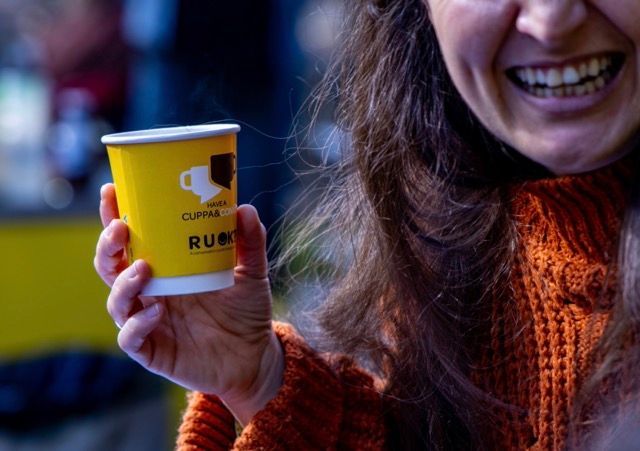

Nazik, in a yellow t shirt, at an R U OK? event.
18 March 2026
With Harmony Week highlighting the importance of belonging, Nazik’s story of overcoming adversity shows how connection can shape a life.
3 February 2026
From growing up on farms to a shared interest in history, Australians, young and old, are discovering just how much they have in common, and how storytelling can connect generations in unexpected ways. What’s bringing them together is 'Heart and Soul Story', a social enterprise that fosters intergenerational connections. Through its programs, young people and older generations come together in aged care homes and schools to share stories, build life skills, and prevent loneliness. At a recent session which encouraged everyone to Ask R U OK? Any Day, students visited an aged-care community with R U OK? Conversation Bingo cards, which feature prompts to spark humour, curiosity, and connection.
14 December 2025
The recent incident in Sydney has left many feeling distressed and overwhelmed, and you may notice the children in your life are struggling too. Below, you’ll find advice from mental health experts on caring for your own wellbeing, and providing meaningful support to others in the days and weeks ahead. Talking to children about traumatic events Children are likely to have seen and heard distressing information about this incident. Ongoing news coverage, images and discussion can intensify feelings of anxiety, sadness and anger. The Child Mind Institute has published a practical guide to help parents and carers talk with children about traumatic events. The guide offers practical age-specific advice and has been developed by experts in child psychology, you can access this guide here . Events involving violence or serious harm can be especially difficult for children to understand or discuss. The guide focuses on helping children feel safe, supported and reassured, and encourages parents, carers or guardians to: Provide comfort and reassurance, including physical affection Remain calm and measured when discussing the event Maintain regular routines to restore a sense of normality Encourage play, connection and time with others Share honest, age-appropriate information from trusted sources Limit children’s exposure to news, especially younger children Listen patiently and validate children’s feelings Recognise that fear, anger, sadness or guilt are all normal reactions Looking after yourself, and supporting others Rachel Clements, R U OK? Advisor, and Director of Psychological Services at Centre for Corporate Health, said strong emotional reactions are normal and healthy for people of all ages following public acts of violence, even among those not directly impacted. “Some reactions that are incredibly normal are concern, shock, horror, disbelief. When that wears off sometimes, people experience stronger feelings, sometimes anger, despair, sadness, anxiety or fear-based behaviour."  Ms Clements advised that connecting with friends, sporting clubs, or workplace networks, and simply asking ‘are you OK?’, can play a key role in supporting people experiencing distress. "This event will disrupt the nervous system. One of the most important things we can do is stay connected, talk to each other and lean into supportive conversations,” Ms Clements said. She suggested starting a genuine conversation by asking questions such as: 'it's been tough watching this information coming to light, how are you feeling about it?’ “Then, all you’ve got to do is listen with empathy, without judgment or interruption, and just allow someone to talk about their experience and how they are feeling. When it is the right time in the conversation, you can then gently guide someone towards supportive actions, like doing some gentle exercise, staying connected with friends and family, or maintaining regular routines.” Ms Clements emphasised the importance of checking in again to ensure people have continued support. If you notice someone’s distress is ongoing for several weeks and begins to affect their work or social life, professional help should be encouraged. If you or the children in your care are experiencing ongoing distress, consider speaking with a doctor or another trusted healthcare provider. Free and professional 24/7counselling services are available, find contact details here . If you or someone you know is in immediate danger, call 000. Ask R U OK? Any Day.
Show More