2018: A year in review
We share some of the good news stories and achievements of the past year
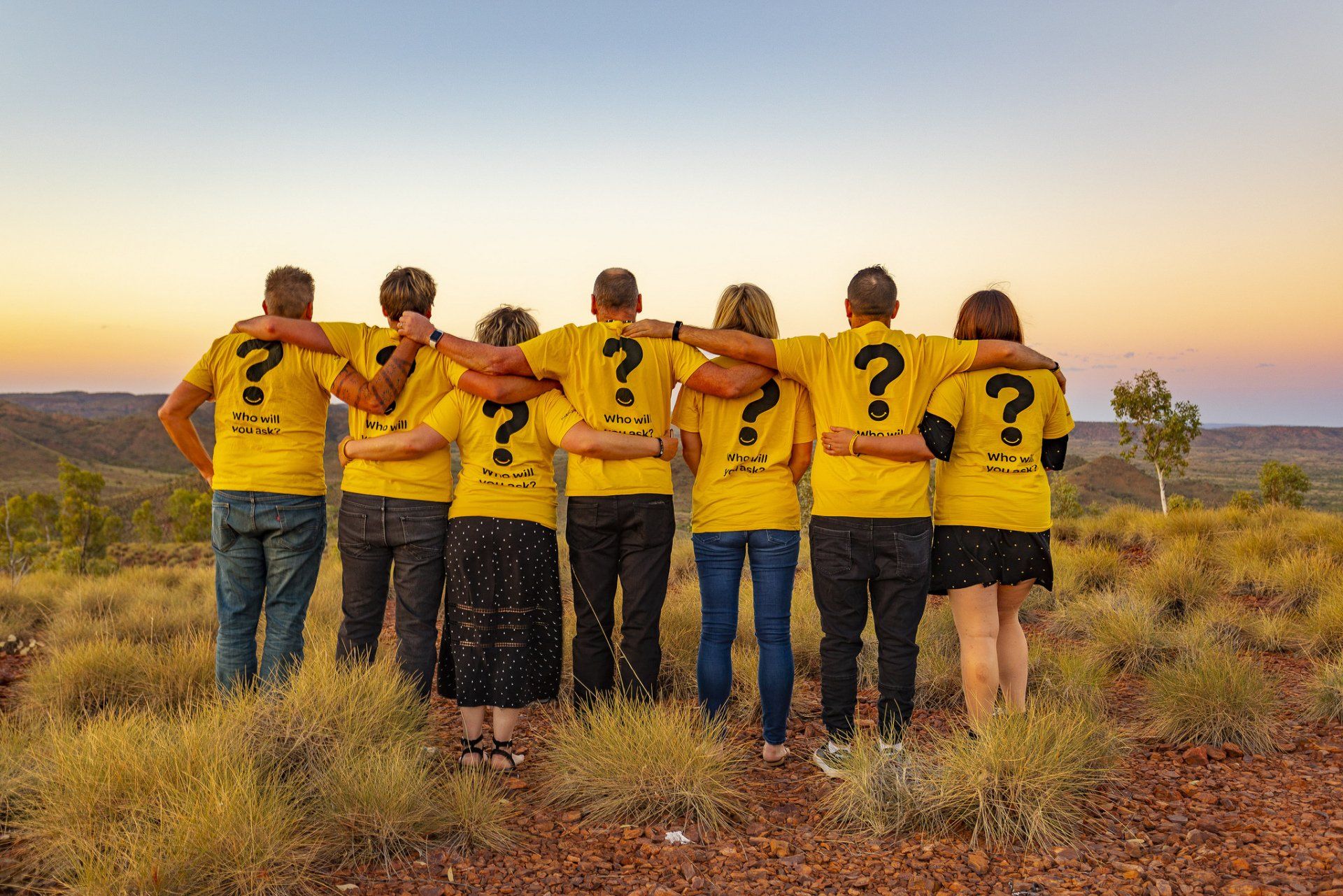
2018 was an incredible year for the message of R U OK?, with national awareness and participation of the conversation movement continuing to grow. Our focus this year has been showing Australia that every day is R U OK?Day, with the aim to empower people to use our four conversation steps- Ask, Listen, Encourage action and Check in - to support those struggling with life any day of the year.
Before we announce our plans for 2019 we wanted to reflect on the last 12 months and share a few of highlights with you
We celebrated our tenth R U OK?Day
13 September, 2018 marked our tenth R U OK?Day – our national day of action designed to remind people that every day’s the day to reach out and start a conversation with anyone who might be going through a tough time. We celebrated the day on the lawns of Barangaroo (Sydney) with our founder the late Gavin Larkin’s family and a crowd of supporters, ambassadors, politicians, leaders and people who believe conversations can change lives.
Here are some reflections from the day:
The Conversation Convoy:
We travelled 16,000 km across Australia on the Conversation Convoy. We visited every state and territory and hosted events in 26 communities to show Australia that every day is R U OK?Day.
Here are some of our favourite moments from the road:
The Signs
We released a video series, narrated by R U OK? Ambassador and national icon Jack Thompson. The videos revealed everyday scenarios where the characters are not quite themselves – they’re showing signs of changes to regular habits - to showcase some of the subtler signs that could indicate someone’s going through a tough time or struggling with life.
#YouCanTalk
We collaborated with beyondblue, headspace, ReachOut.Com, Lifeline, Black Dog Institute, Everymind, and Life in Mind, on the #YouCanTalk campaign aimed at giving people the confidence to respond to friends and family when they need help and guide them to the right support services. Learn more.
New workplace resources
We developed a new ‘R U OK? at Work’ hub on our website showcasing our campaigns and resources that workplaces can use to support the message, all year round.
- The hub includes the following free
resources which were released this year:
- A practical guide for
the workplace, suitable for any industry to help colleagues start an R U OK?
conversation and find ways to manage the load,
- An animation featuring
ALEC, named after our 4 conversation steps, talking us through how to have a
conversation with a workmate who’s going through a tough time.
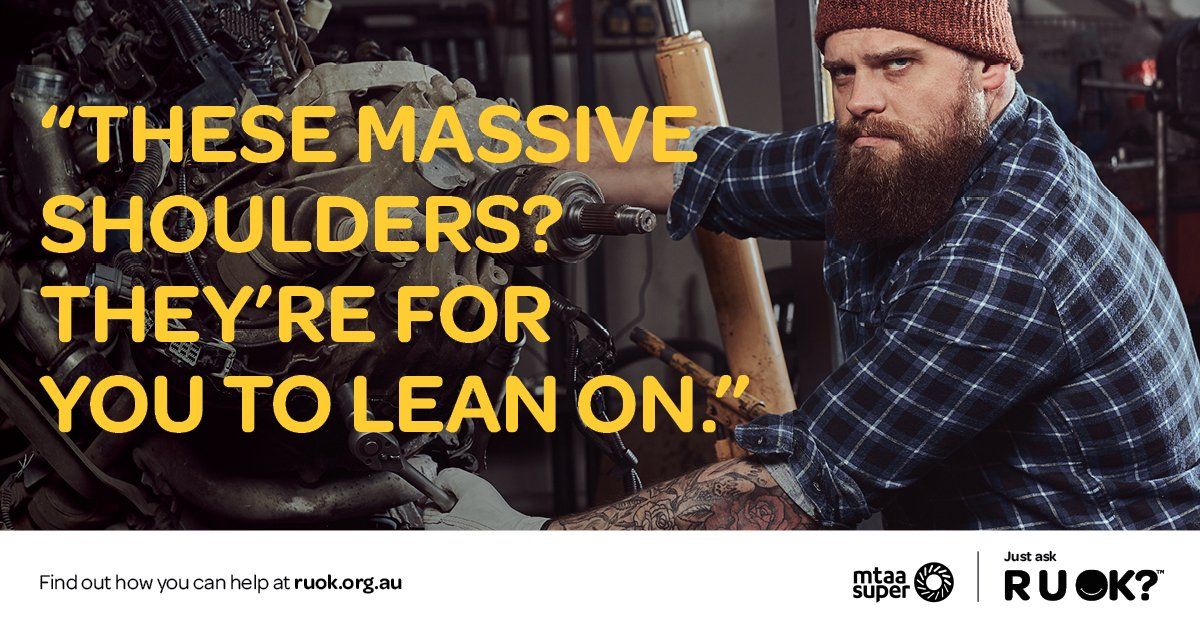
- A campaign for the motor trades industry, in partnership with MTAA Super, designed to get workmates talking
about life’s ups and downs.
- A campaign encouraging front and back of house staff in the hospitality industry to look out for their work family that includes a short online course educating people on how to have meaningful conversations at work and at home.
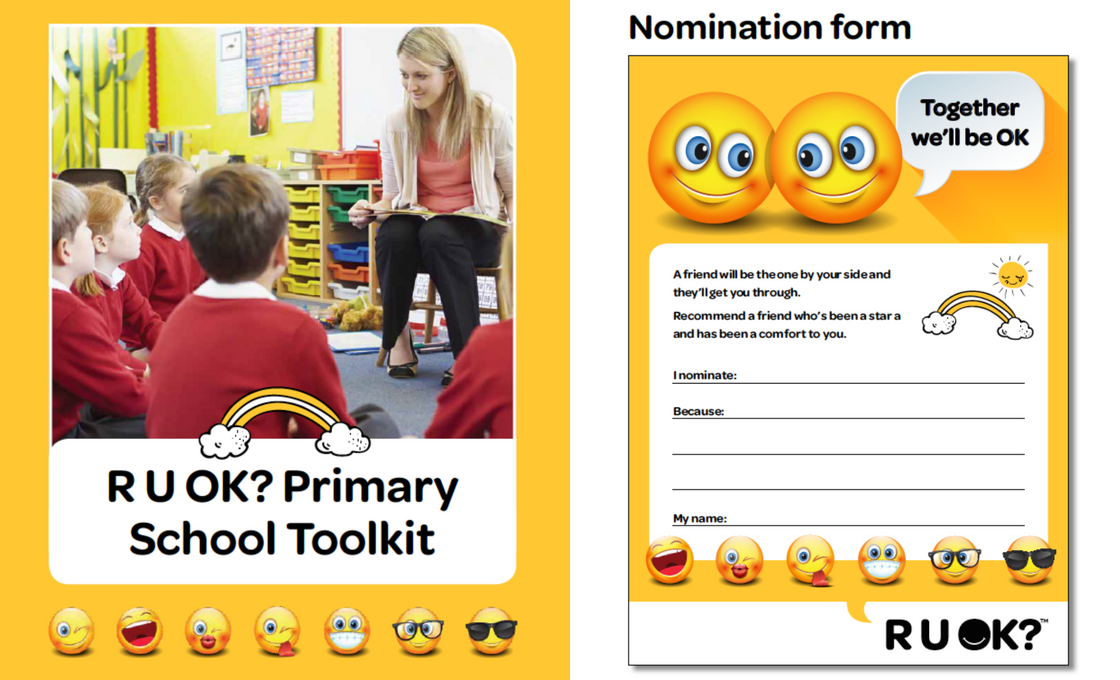
R U OK? Primary School Toolkit
We released a curriculum aligned toolkit for kindergarten to year six to introduce and emphasise the value of building close connections and developing strong relationships at school. The toolkit encourages students to look out for their classmates by asking R U OK? and compliments our ‘Together it will be OK’ music video.
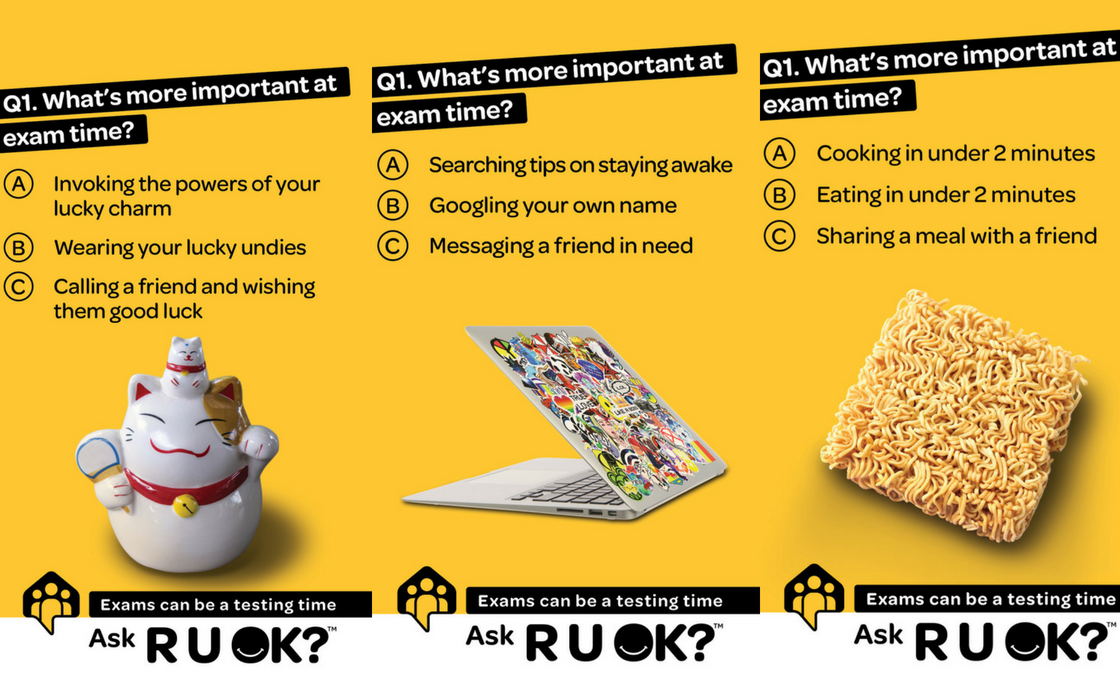
‘Testing Times’
Exams can be a ‘Testing Time’ for anyone. Research shows young Australians are more comfortable opening up to a friend than a parent or professional. So, when the pressure is on, university students really need the support of their peers. That’s why, with the support of Griffith University, University of Canberra, UNSW and Western Sydney University, we released a new campaign showing that looking out for each other around exam time is important and need not be difficult or time consuming.
Continued focus on regional and remote communities
We kicked off the year with a strong presence at the Tamworth Country Music Festival with and got the conversations flowing at two music concerts.
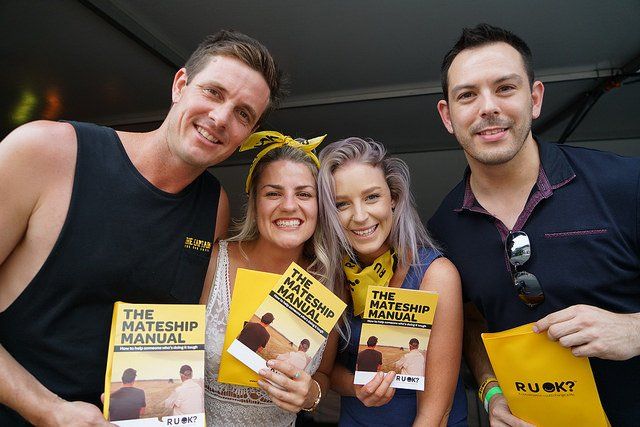
With much of the country facing drought and hardship, we continued to distribute our ‘Mateship Manual’, a practical guide to supporting those who are doing it tough on the land.
We worked with the Peninsula Film Festival on a series of film-making workshops to help budding young directors weave the R U OK? message into their storytelling, culminating in a showcase at Broken Hill.
Resources for LGBTI+ youth
With guidance from the National LGBTI Alliance, we developed a new resource hub encouraging LGBTI+ youth to ‘Listen with Love’ to any of their peers who might need a listening ear. Learn more.
Free resources for the community
We created a guide for local councils to help them remind their residents and staff to regularly check in with neighbours, friends and loved ones by asking, “Are you OK?” every day of the year. View guide.
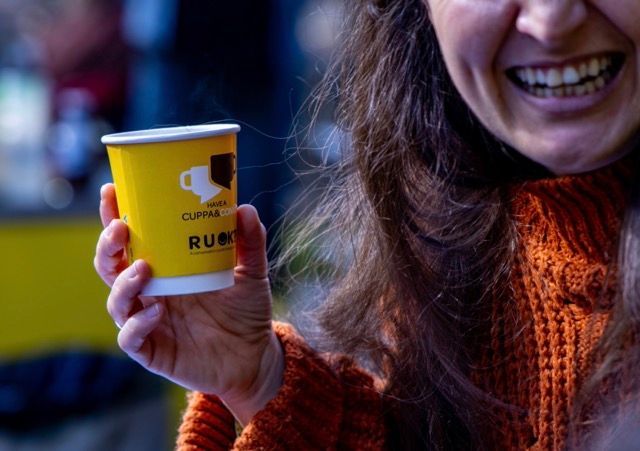
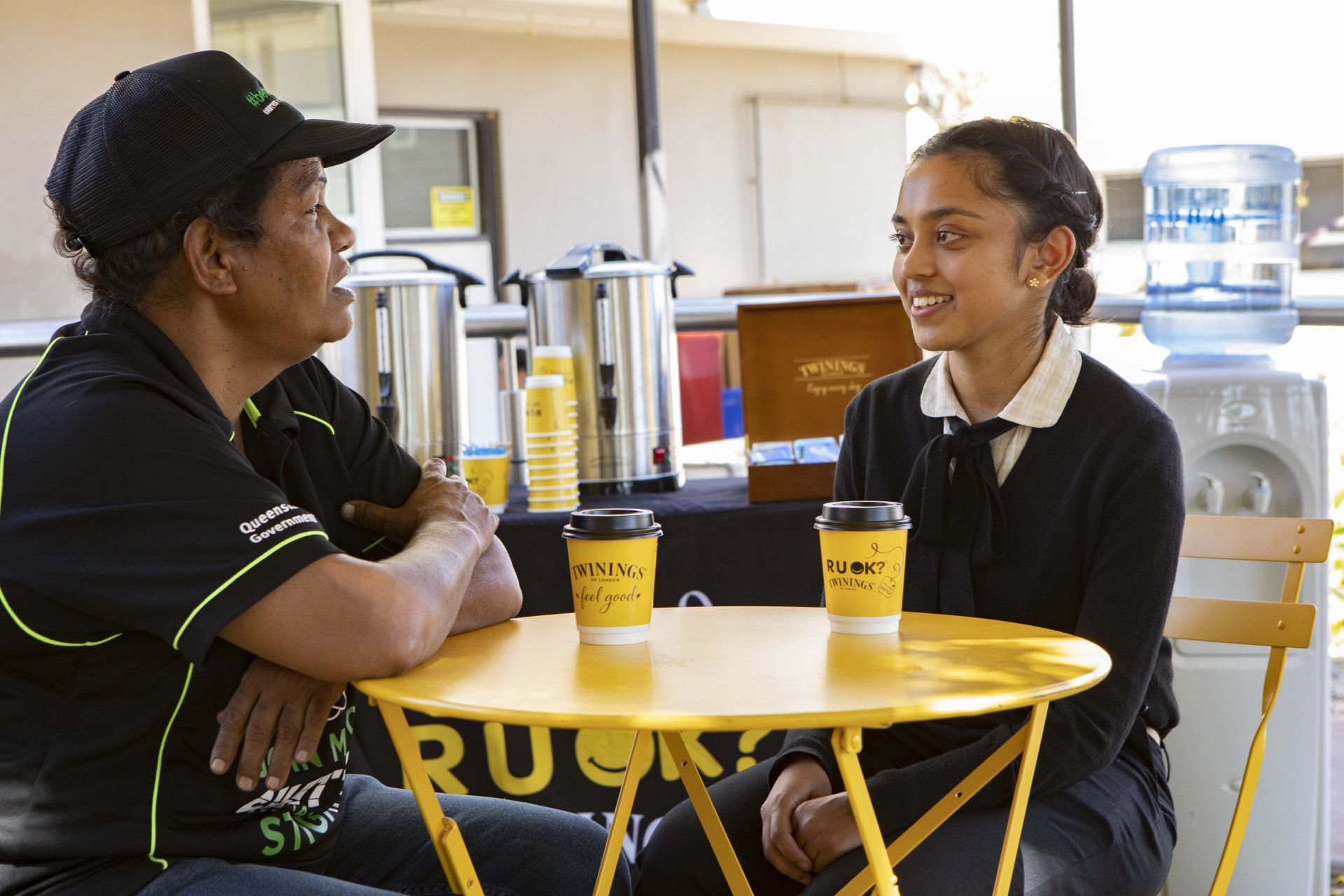
A simple way to connect or reconnect with someone is over a cuppa. So, this year we called on Australians to make time for a cuppa and a convo with the people who matter most to them. Check out the guide.
R U OK? produced a guide to help cafes across Australia to remind their customers and staff that a heartfelt conversation over your daily cuppa could change a life - any day of the year. View guide.
Konnect app
On the International Day of Happiness, we released a mobile app which encouraged people to spend more time with their family and friends and 'Konnect' through a series of interactive challenges. Use now.
New partnerships:
We welcomed new partnerships and support from:
·Twinings
·QBE
·MTAA Super
·Top Parks
·Virgin Australia
·Real Estate Institute of NSW
·Comcater
R U OK? is also extremely grateful for our longer-term partners, including:
·Principal partner Liptember
·Connor Menswear
·Flight Centre Foundation
·The Australian Government
·Yellow
·The Audi Foundation
These organisations and all our financial supporters and partners, allow us to reach more Australians and take the message further.
New Ambassadors:
We welcomed a number of new Ambassadors lending their voices and experience in support of R U OK?, including:
·Celeste Barber
·Beau Ryan
·Luke Antony
·Axle Whitehead
·Sam Mac
and many more.
We’re so grateful to all the R U OK? Ambassadors who give their time freely and enable us to show more Australians how to initiate life-changing conversations and prevent suicide.
Increased community support:
The number of events hosted by the community doubled and had a full calendar of active challenge events. All of our hosts, donors and participants helped spread the R U OK? message in a meaningful way.
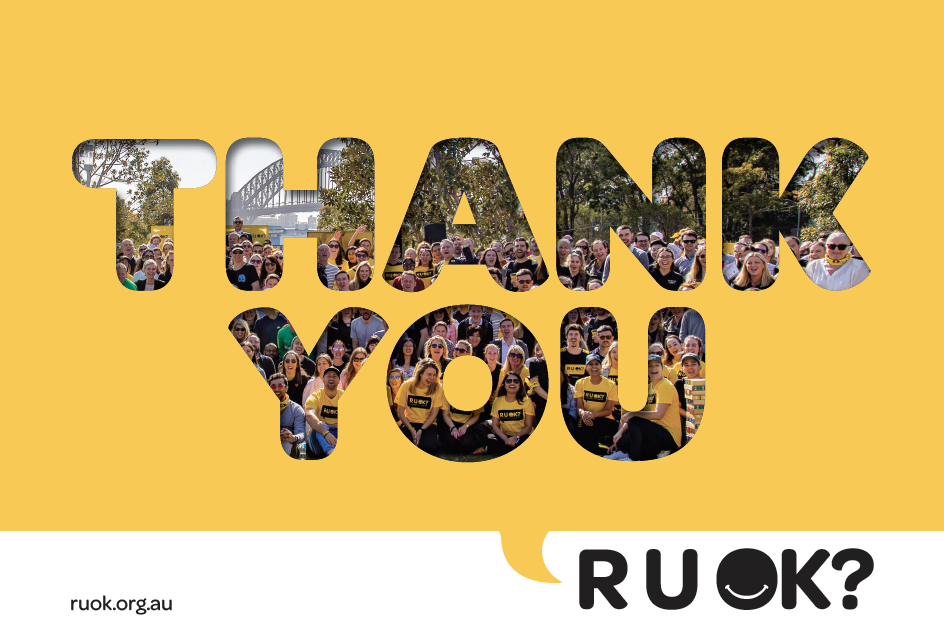
People are often surprised that R U OK? only has 9 staff members. With such a small national team, much of our capacity to succeed can be attributed to the goodwill of our dedicated supporters, ambassadors, partners and the community.
Everything
we are able to achieve is strengthened by significant generosity and and goodwill.
Importantly, R U OK?’s capacity to develop free campaigns and resources that
are effective, safe and empowering, owes much to our evaluation work with
Colmar Brunton. Along with the guidance we receive from expert groups and
sector partners.
We would also like to thank R U
OK?’s Board
for
their ongoing support.
We look forward to 2019 and continuing to work towards our vision of a world where everyone is connected and protected from suicide.