R U OK? calls on Forster to Trust the Signs someone might be struggling with life
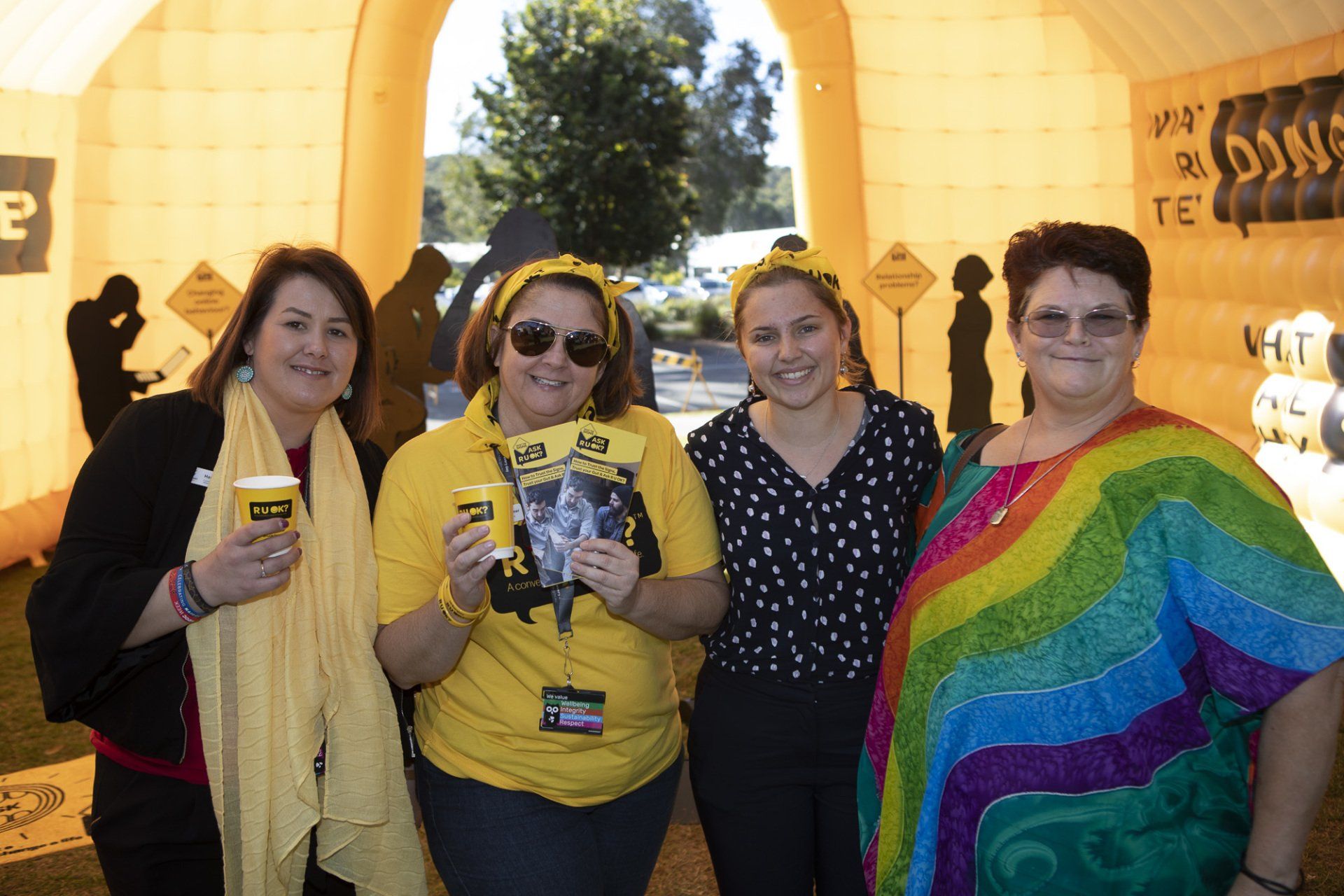
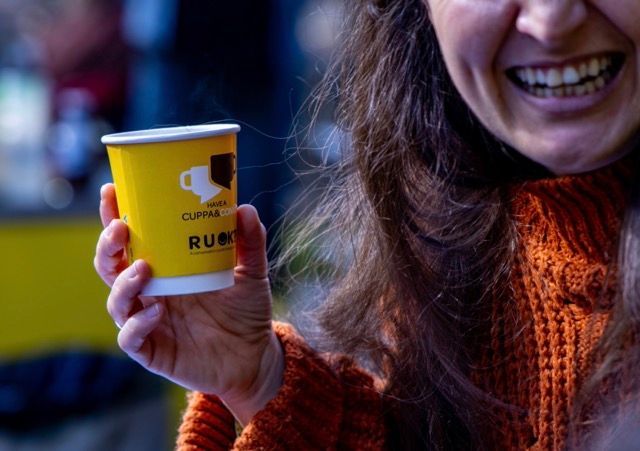
The MidCoast Council lawn in Forster was today awash with yellow as the ‘Trust the Signs Tour’ rolled into town.
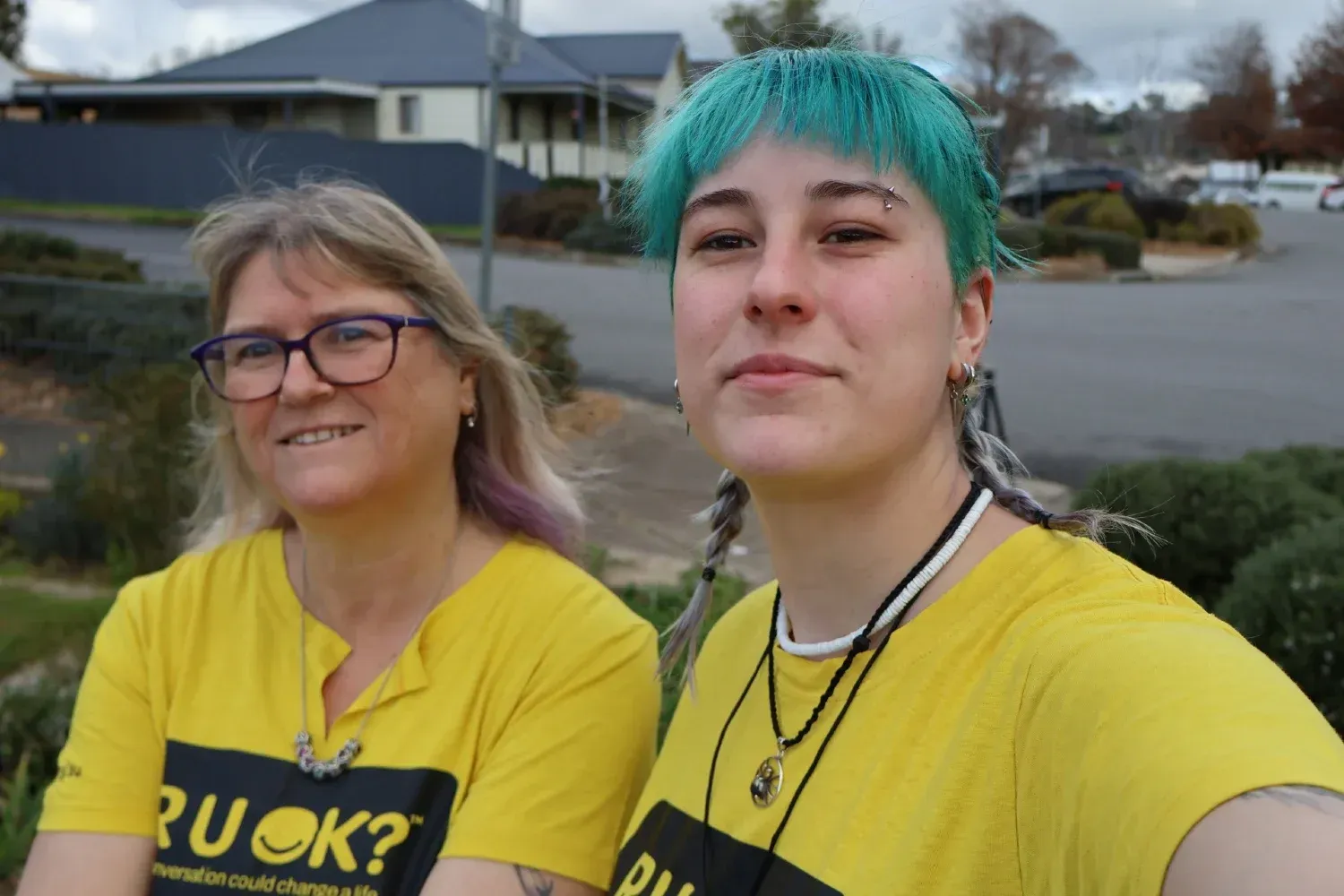
R U OK? Community Ambassadors, local mental health supporters and community members came together to learn more about when and how to start a conversation with someone you’re worried about.
Locals experienced the ‘Trust the Signs’ installation containing silhouettes and information to help people recognise when a friend, colleague or loved one might need some extra support.
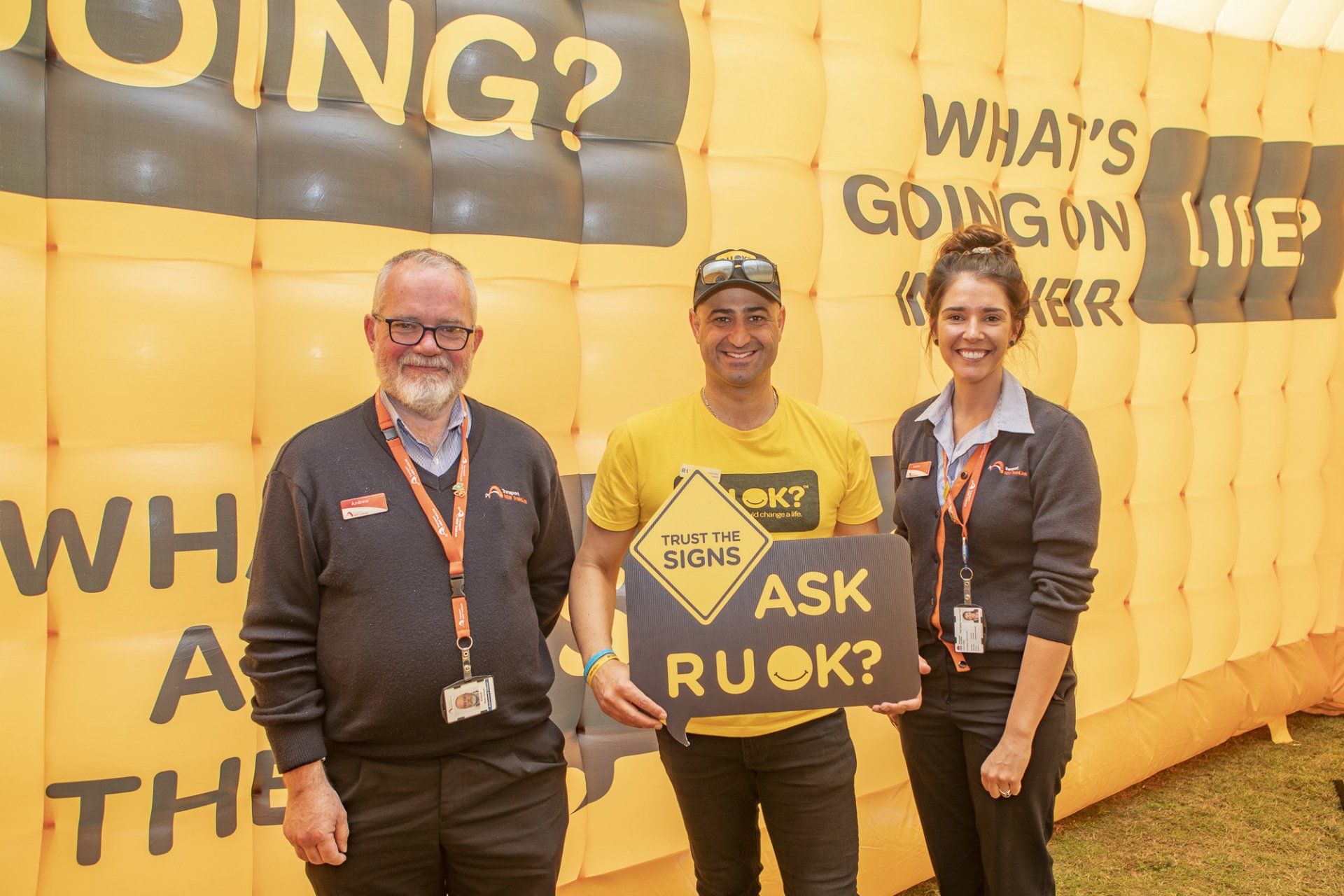
Formalities were kicked off by R U OK? Community Ambassador Mostapha Kourouche. Kourouche is passionate about inspiring and empowering everyone to meaningfully connect with the people around them and is the TRACKSAFE workplace champion across NSW for Rail R U OK?Day.
“We’re here today because this community is passionate about looking out for each other. I’m lucky to champion the importance of having these life-saving conversations every day and often people tell me they think they’ve spotted changes in someone they care about, but they aren’t sure,” said Kourouche.
“We want to empower people with knowledge of the signs someone is struggling, so they can trust their gut instinct and start a conversation that could save a life. You don’t have to be an expert, just a good listener and a good friend.”
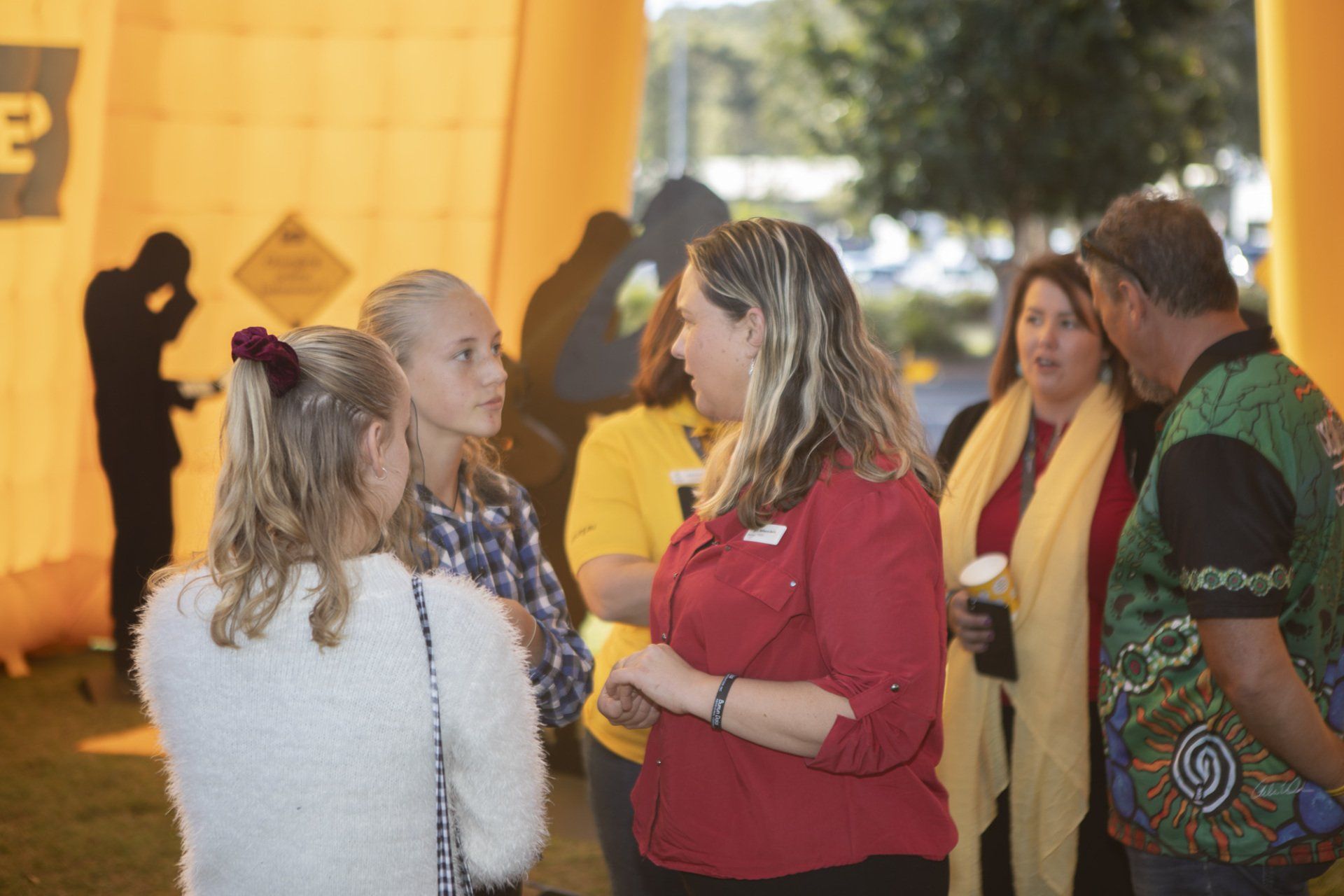
Deputy Mayor Katheryn Smith followed with a moving address reinforcing the message that every member of the Forster community can make a difference. “We have wonderful local service providers and health professionals. It’s people like them and everyone who has these R U OK? conversations, who are the unsung heroes. Simply talking about these issues is a step in the right direction,” she said.
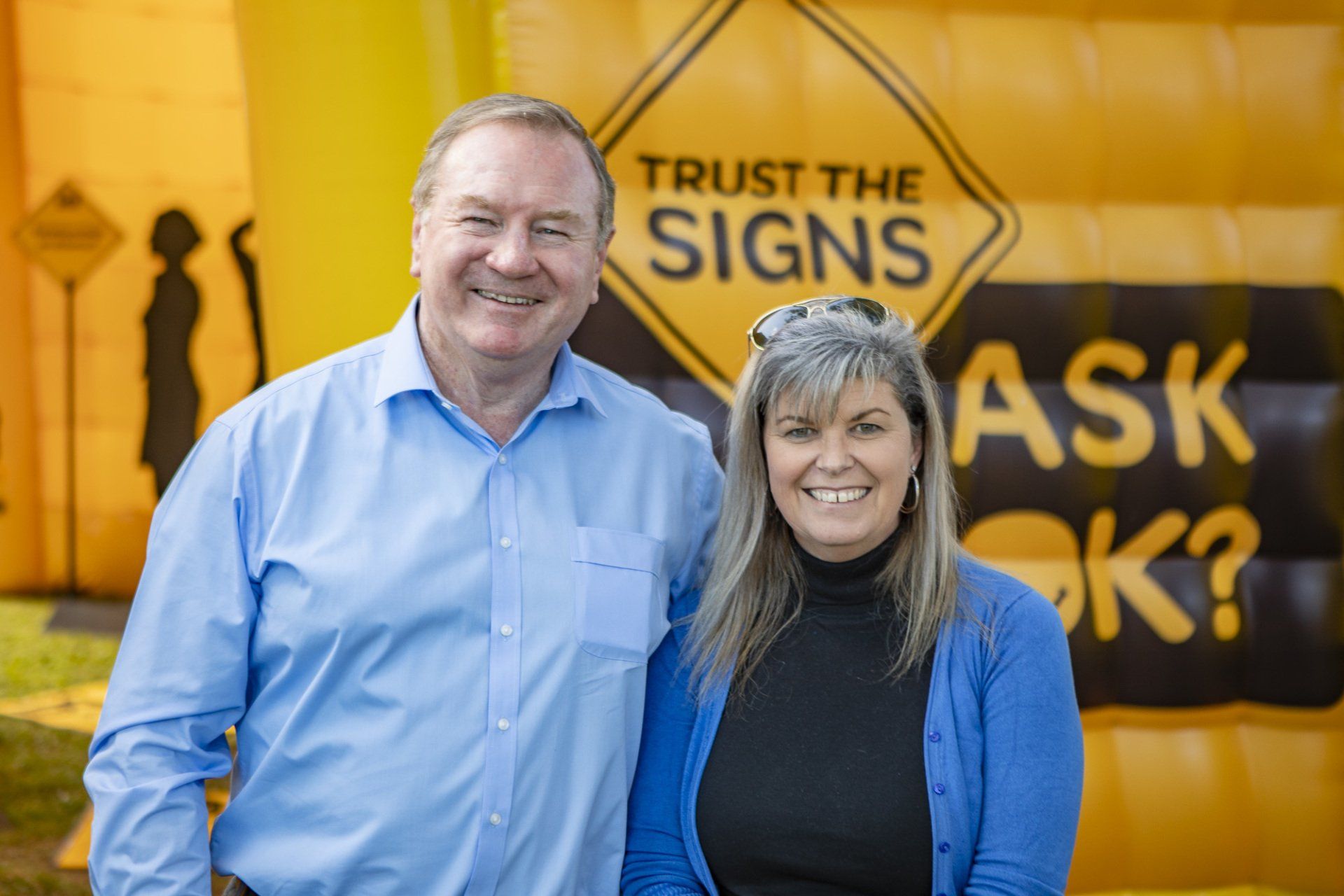
State Member Stephen Bromhead also attended the event and chatted to members of the local community about his commitment to reducing youth suicide and improving mental health services in the area.
The event was supported by the local Salvation Army chapter who cooked a free barbecue for attendees.
The Tour is travelling around 14,000 kilometres over the next nine weeks visiting every state and territory and engaging 24 communities. The next stop is Port Macquarie with an event at Port Macquarie Private Hospital on Friday 12 July.
The ‘Trust the Signs Tour’ comes in the wake of research released by R U OK? that found nearly two thirds of Australians (63%) are not confident they know the signs that someone might be struggling with life. Of those surveyed, 41% hadn’t asked someone if they were OK because they weren’t sure they knew the signs. However, there is hope, with almost 1 in 2 (49%) believing they’d be more confident starting a conversation if they knew the signs.
More information on how to get involved can be found at: www.ruok.org.au
For support at any time of day or night, call Lifeline on 13 11 14.
ENDS
NOTES TO EDITORS:
For more information please contact:
• Neha Lokesh: e: [email protected], m: 0470 580 215
• Hannah Evans: e: [email protected], m: 0424 083 499
• Annabel Bowman: e: [email protected], m: 0411 084 18
About the R U OK? Trust the Signs Tour:
R U OK? are calling on Australians to Trust the Signs that someone might be struggling with life.
• R U OK? will take the Trust the Signs message to every state and territory in the build-up to R U OK?Day (Thursday 12 September).
• The Trust the Signs Tour will involve an educational experience where people can learn more about the signs someone may be struggling with life. Inside a giant installation people can interact with life-size silhouettes and signposts to guide them through what might be going on in someone’s life and what they might say or do if they’re struggling.
• The Trust the Signs Tour will travel around 14,000 km, engaging with 24 communities before completing its journey in Sydney on R U OK?Day.
• On R U OK?Day – our national day of action - R U OK? will remind Australians to Trust the Signs, Trust your Gut and ask, “Are you OK?” of anyone who may be struggling with life.
R U OK? wish to thank the Trust the Signs Tour partners: Liptember, Flight Centre Foundation, Twinings, Audi Foundation, Top Parks and Virgin Australia.
About R U OK?
• R U OK? is a not-for-profit organisation that aims to inspire and empower everyone to meaningfully connect with people around them and support anyone struggling with life.
• R U OK? Day is a national day of action, held on the second Thursday of September each year. But every day is a day to start a conversation.
• Conversation tips and crisis support contacts can be found at www.ruok.org.au/findhelp